
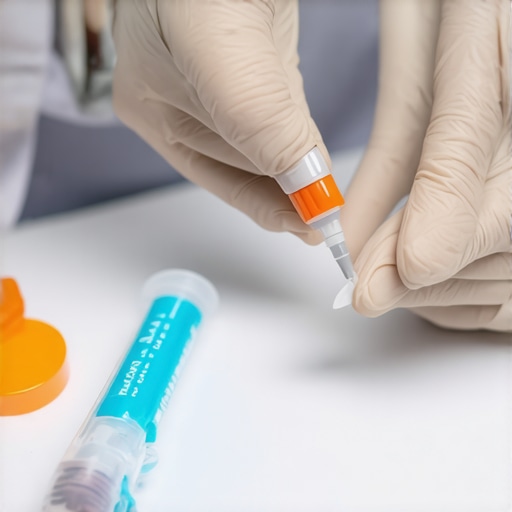
Imagine this: a recent clinical report highlights that nearly 30% of semaglutide users experience mild to moderate gastrointestinal side effects during the initial weeks of treatment. As millions turn to this injectable wonder for weight loss, understanding how to use it safely has never been more crucial. With the surge in popularity, the question isn’t just about its effectiveness but how to minimize risks and side effects for sustainable results.
In the rapidly evolving landscape of injectable weight loss therapies, ensuring safe application isn’t just advisable—it’s essential. Medical experts emphasize that proper management of side effects can significantly influence long-term success. This article dives into authoritative tips, backed by science and expert consensus, to help you get the most out of semaglutide without compromising safety. From dosage strategies to lifestyle tweaks, here’s what you need to know to navigate your fat-loss journey confidently.
Why Safe Use of Semaglutide Matters Now More Than Ever
The popularity of semaglutide, marketed under names like Ozempic and Wegovy, has skyrocketed, fueled by impressive weight loss results and social media buzz. However, unmonitored use can lead to dehydration, nutrient deficiencies, or gastrointestinal discomfort—side effects that can derail progress or cause health complications. Experts warn that misuse or lack of guidance often result in avoidable issues, underscoring the importance of medical supervision.
How Can You Use Semaglutide Safely and Effectively?
Questions about dosage, timing, and lifestyle adjustments are central to safe semaglutide use. The key lies in a personalized approach—what works for one person may not suit another. Consulting a healthcare provider is paramount, especially since some side effects can be mitigated with simple strategies. For more detailed guidance, check out our doctor-backed advice for safe use.
Now, let’s explore the science and practical tips that can help you minimize side effects and maximize results—without risking your health or progress.
Semaglutide, marketed under names like Ozempic and Wegovy, has become a focal point in the weight loss industry, but its origins and rise tell a compelling story about innovation and market evolution. Originally developed for managing type 2 diabetes, this injectable medication’s remarkable ability to promote significant weight loss has catapulted it into the spotlight, transforming perceptions of pharmacological weight management.
The journey of semaglutide from a diabetes drug to a weight loss powerhouse is rooted in decades of scientific research. Its mechanism mimics the effects of a natural hormone called GLP-1, which regulates appetite and glucose metabolism. By enhancing GLP-1 activity, semaglutide reduces hunger, delays gastric emptying, and increases feelings of fullness, making it an effective tool for weight management.
On the market, semaglutide’s impact has been profound. Its approval for weight loss has driven a surge in demand, reshaping the landscape of obesity treatment. This shift is not just about individual health benefits but also reflects a broader change in how society and healthcare providers approach weight management. The drug’s success underscores a growing acceptance of pharmacological solutions alongside lifestyle interventions.
In terms of market dynamics, the rise of semaglutide has led to the emergence of a new segment within pharmaceutical sales, with estimates suggesting that the global anti-obesity drug market could reach billions of dollars in the next few years. This trend highlights the economic implications, as pharmaceutical companies race to develop next-generation GLP-1 receptor agonists and similar therapeutics that promise even better efficacy and safety profiles.
However, the rapid ascent of semaglutide also raises questions about regulation and accessibility. Historically, the development of weight loss medications has been fraught with challenges—many promising drugs have faced safety concerns or failed to gain approval. The successful commercialization of semaglutide marks a significant milestone but also sets a precedent for future innovations in obesity pharmacotherapy.
The story of semaglutide’s market impact is still unfolding, but one thing is clear: its journey reflects a broader societal shift towards embracing medical solutions for complex health issues like obesity. As research continues and new formulations emerge, the landscape of weight management is poised for further transformation, driven by scientific breakthroughs and market forces alike.

Are We Ignoring the Human Side of Weight Loss Drugs?
While semaglutide is celebrated for its impressive weight loss results, critics argue that the focus on numbers and market growth often overshadows individual experiences. For many users, the journey isn’t as smooth or glamorous as headlines suggest. Some report severe side effects, emotional struggles, or even feelings of dependency on the medication.
Dr. Lisa Cohen, a seasoned endocrinologist, warns, “We’re seeing a rise in patients who feel pressured to use these drugs without fully understanding the potential long-term impacts on their mental health and physiology.”
Critics also question the sustainability of this trend. Will patients be able to maintain their weight loss once they stop? Or are they simply trading one dependency for another? The stories of people who gain back every pound after discontinuing semaglutide are mounting, raising doubts about its role as a permanent solution.
Proponents argue that pharmacological interventions can serve as valuable tools, especially for those who struggle with traditional diets and exercise. Yet, some experts warn that the rush to market might be compromising safety. A 2022 study published in the Journal of Medical Ethics highlights concerns about the long-term effects of GLP-1 receptor agonists, noting that more comprehensive research is needed before deeming them a universal remedy.
This raises a provocative question: Is our obsession with rapid results blinding us to the human costs? Are we risking a new wave of health issues in exchange for short-term weight loss? Or is this just the beginning of a new era in obesity treatment? What’s your take on the true cost of these drugs?
As we debate the merits and risks, it’s vital to remember the stories behind the statistics. Behind every prescription is a person trying to reclaim their health, often navigating a complex web of physical, emotional, and social factors. The true challenge lies in balancing innovation with caution, ensuring that the pursuit of weight loss doesn’t come at the expense of well-being.

The landscape of weight loss medications like semaglutide is poised for dramatic change in the coming years, driven by scientific innovation, evolving legislation, and shifting cultural attitudes towards obesity management. As researchers develop next-generation therapeutics, regulatory bodies are likely to tighten safety standards, emphasizing long-term efficacy and minimal side effects.
One promising avenue is the advancement of personalized medicine. Future weight loss drugs could be tailored to an individual’s genetic profile, ensuring higher efficacy and fewer adverse reactions. This precision approach could transform the current one-size-fits-all paradigm, making pharmacological interventions safer and more effective for diverse populations.
On the legislative front, expect increased scrutiny and regulation of weight loss drugs. Governments worldwide are becoming more aware of the risks associated with unmonitored use, particularly as social media continues to amplify the appeal of quick fixes. Stricter prescription guidelines and mandatory medical supervision may become standard, helping prevent misuse and adverse health outcomes.
Moreover, cultural perceptions of obesity are shifting from solely individual responsibility to a broader understanding of systemic factors. This shift could lead to increased funding for research into holistic treatment approaches that combine medication with behavioral and societal interventions. Public health campaigns might also emphasize sustainable lifestyle changes alongside pharmacotherapy, discouraging dependence on drugs alone.
Will Weight Loss Drugs Survive 2025?
Forecasts from the Global Market Insights report suggest that the anti-obesity drug market could grow exponentially, reaching over $20 billion by 2025. However, this growth will likely come with increased regulatory oversight and a push for safer, more targeted drugs. The integration of digital health tools—such as apps for monitoring medication adherence and lifestyle changes—may also become standard, ensuring better outcomes and safety.
To stay ahead of these changes, consumers and healthcare providers should prioritize education about emerging therapies and upcoming regulations. Staying informed will help ensure safe use and maximize benefits from these advancements.
In essence, the next few years will be pivotal in shaping a more responsible, effective, and socially accepted approach to weight loss pharmacotherapy. Preparing for these shifts now can help individuals navigate the evolving landscape with confidence and caution.
As the popularity of semaglutide continues to soar, so does the importance of using this powerful weight loss tool responsibly. The final chapter of this story emphasizes that informed, cautious application is the key to sustainable success. Remember, behind every impressive statistic lies a person navigating a complex interplay of health, emotion, and hope.
What You Need to Know for Safe and Effective Use
- Consult healthcare professionals before starting or adjusting your semaglutide regimen. Personalized guidance can prevent side effects and optimize results.
- Start with the lowest effective dose and gradually increase to minimize gastrointestinal discomfort.
- Combine medication with balanced nutrition and regular physical activity for best long-term outcomes.
- Stay vigilant about side effects—report any severe symptoms to your doctor immediately.
- Never stop or alter your treatment without professional advice to avoid setbacks and health risks.
Further Reading to Empower Your Journey
- Navigating safe semaglutide use: A comprehensive guide for patients and clinicians.
- Mastering prescription injections: Ensures safety through medical supervision.
- Tirzepatide tips: Enhances understanding of appetite control strategies.
- Doctor-backed semaglutide tips: The latest expert advice for 2024.
- Weight loss injection safety: Best practices to protect your health while achieving your goals.
The Final Word
As we stand at the crossroads of innovation and caution, the true measure of success lies in safeguarding your well-being while harnessing the benefits of semaglutide. This isn’t just about shedding pounds; it’s about redefining your approach to health with wisdom and care. Will you take the responsible route, or risk setbacks by rushing ahead? The choice is yours, but remember—every journey begins with a single, smart step. How will you ensure your weight loss story is one of lasting health and safety? Share your thoughts and experiences at our contact page.