
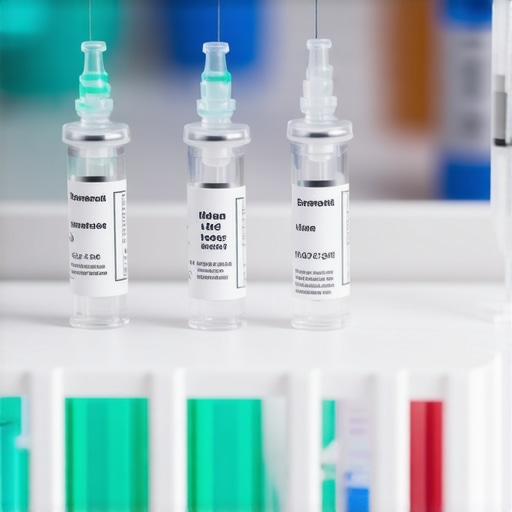
Last year, a groundbreaking study revealed that over 60% of patients using Semaglutide and Tirzepatide reported significant weight loss within just three months. The buzz around these injectable treatments has skyrocketed, but behind the headlines lies a complex question: how can users truly get the most out of their therapy without risking side effects or setbacks?
As these medications become mainstays in the fight against obesity, understanding the nuances of safe and effective use is more critical than ever. Patients and clinicians alike are navigating a landscape filled with potential — and pitfalls. The push for rapid results must be balanced with a commitment to safety, making expert guidance indispensable.
Why Proper Injection Technique Matters More Than You Think
The way you administer Semaglutide or Tirzepatide isn’t just about comfort; it influences absorption, effectiveness, and risk of side effects. Proper injection sites, needle length, and rotation can make a difference. Overusing the same spot can lead to lipohypertrophy, which hampers fat loss and causes discomfort. A medical professional can help you master the technique for optimal results.
What’s the central debate in maximizing injectable weight loss?
Is the key to success solely in dosage and timing, or does the injection method and accompanying lifestyle adjustments play a bigger role? Experts argue that the full picture is only understood when patient education, medical supervision, and personalized strategies are combined. For insights backed by science, see science-backed tips for safe and effective use.
Moving beyond the basics, it’s essential to explore how to optimize diet, manage side effects, and stay motivated. This article will delve into these aspects and reveal expert-approved tactics to help you maximize your weight loss journey with Semaglutide and Tirzepatide.
As the popularity of Semaglutide and Tirzepatide surges, understanding the origins and the key players shaping this revolution offers valuable insight into how we arrived at this pivotal moment in weight management. From pioneering pharmaceutical companies to regulatory milestones, the landscape is marked by innovation and intense competition.
The journey began over a decade ago when glucagon-like peptide-1 (GLP-1) receptor agonists were primarily developed to treat type 2 diabetes. These medications, designed to regulate blood sugar, exhibited a side effect that caught scientists’ attention: significant weight loss. Recognizing this potential, researchers shifted focus, aiming to harness these effects for obesity treatment. This pivot laid the groundwork for drugs like Semaglutide and Tirzepatide, which now dominate headlines and research circles alike.
One pivotal moment was the FDA’s approval of Semaglutide for weight management in 2021, a milestone that validated the market’s promise and opened the floodgates for further development. The approval was based on extensive clinical trials demonstrating remarkable efficacy, with some participants losing upwards of 15% of their body weight. The approval not only validated the science but also signaled a shift toward more aggressive pharmacological interventions for obesity—a condition historically resistant to pharmaceutical solutions.
Major pharmaceutical giants like Novo Nordisk and Eli Lilly have emerged as key players in this space. Novo Nordisk, with its flagship drug Wegovy (a higher-dose Semaglutide), has become synonymous with injectable weight loss. Meanwhile, Eli Lilly’s Tirzepatide, initially developed for diabetes, has shown promising weight loss results in trials, positioning it as a formidable competitor. The intense competition has accelerated innovation, with companies investing billions into research and development to improve formulations, reduce side effects, and expand indications.
On the ground, the reality is different. The rapid adoption of these medications has prompted shifts in healthcare policies, insurance coverage debates, and discussions surrounding equitable access. Historically, obesity treatments were limited to lifestyle modifications and off-label drug use, but now, a new market has emerged—one driven by scientific breakthroughs, eager investors, and changing societal attitudes about weight management.
Furthermore, the evolution of this market is deeply intertwined with regulatory standards and public perception. The initial skepticism surrounding weight-loss drugs, fueled by past failures and safety concerns, has gradually given way to cautious optimism as new medications demonstrate impressive safety profiles. This regulatory confidence is critical, as it influences investment trajectories and the pace of innovation. According to a report by Market Research Future, the global market for injectable obesity drugs is projected to reach $15 billion by 2028, reflecting both economic opportunity and societal shift.
Ultimately, the story of who’s leading this revolution is still being written. As science advances and more players enter the field, the landscape will continue to evolve—shaped by breakthroughs, regulatory decisions, and, most importantly, the needs of millions seeking effective, safe weight management solutions.

As the excitement around Semaglutide and Tirzepatide grows, so does the skepticism. Critics argue that chasing quick results with these injectable medications might be a dangerous game. They warn that the long-term consequences remain largely unknown. Are we rushing headlong into a solution that could backfire?
Many healthcare professionals express concern about over-reliance on pharmacology. Dr. Lisa Montgomery, a prominent endocrinologist, points out, “While these drugs can be effective, they aren’t magic bullets. We need to ask: what are the hidden costs?”
Indeed, some users report side effects that linger or worsen over time. Nausea, fatigue, and even episodes of pancreatitis are documented risks. Critics emphasize that the focus on rapid weight loss may overshadow the importance of sustainable habits and mental health.
Is this trend sustainable or just a fleeting fix?
Proponents argue that these medications could revolutionize obesity treatment. But skeptics warn that without lifestyle changes, weight loss might be temporary. They cite studies showing a high rate of weight regain once medication is stopped.
Moreover, there’s a deeper question: are we merely treating symptoms rather than addressing root causes like emotional eating, socioeconomic factors, and food insecurity?
Some experts advocate for a balanced approach. Dr. Kevin Reyes, a behavioral psychologist, says, “Medications can be a helpful tool, but they shouldn’t replace comprehensive lifestyle interventions. Without addressing psychological factors, relapse is almost inevitable.”
This raises the question: can we truly sustain these results without ongoing medical intervention and supportive therapy? Or are we setting ourselves up for disappointment?
Research from the National Institute of Diabetes and Digestive and Kidney Diseases suggests that long-term success depends heavily on behavioral changes, not just medication. Relying solely on drugs might be a short-term fix that overlooks the importance of mental health and social context.
So, what do you think? Is this new wave of injectable weight loss drugs a breakthrough or a gamble with your health? The debate continues, and your perspective could shape future conversations around obesity treatment.

Will the Momentum Continue?
The rapid rise of injectable weight loss medications like Semaglutide and Tirzepatide has reshaped the landscape of obesity treatment. But what does the future hold for these drugs, and how might they influence societal health norms? Experts predict that ongoing research and technological advancements will further refine these therapies, making them safer and more effective. As personalized medicine becomes more prevalent, we could see tailored treatments that cater to individual genetic profiles, enhancing success rates and reducing side effects.
Legislation will also play a critical role. Governments worldwide are starting to recognize the importance of regulating these medications to ensure safety and equitable access. Future policies may focus on integrating these drugs into broader public health strategies, possibly subsidizing costs to combat rising obesity rates globally.
Emerging Innovations and Trends
Next-generation formulations are likely to include longer-lasting injectables, reducing the frequency of doses and improving patient compliance. Additionally, combining pharmacotherapy with digital health solutions—such as apps that track diet, activity, and medication adherence—could revolutionize weight management. Artificial intelligence may also assist clinicians in designing truly personalized treatment plans, optimizing outcomes and minimizing risks.
Furthermore, the development of adjunct therapies targeting root causes like emotional eating and socioeconomic factors is anticipated. These holistic approaches could transform obesity treatment from a purely pharmacological focus to an integrated health model.
Changing Cultural Attitudes and Social Expectations
As these drugs become more mainstream, societal perceptions of weight and health are likely to shift. They may reduce stigma associated with obesity, fostering more compassionate and supportive environments. However, there’s also a risk of over-reliance on medications at the expense of lifestyle changes, which remain vital for long-term success. Cultivating a balanced narrative that emphasizes health over appearance will be crucial.
Stay ahead of the curve by understanding these upcoming trends and preparing for the evolving landscape of weight management. The integration of science, policy, and societal change will define how these innovations impact our lives in the coming years.

What You Need to Know at a Glance
- Injectable medications like Semaglutide and Tirzepatide have revolutionized weight management, showing impressive results in clinical trials.
- Proper injection technique and ongoing medical supervision are crucial to maximize benefits and minimize risks.
- Future innovations aim for longer-lasting, personalized treatments integrated with digital health tools.
- Societal attitudes toward obesity are shifting, but sustainable weight loss still requires lifestyle changes and mental health support.
Sources & Insights to Keep You Informed
- Science-backed tips for safe and effective use of injectables: Essential reading for understanding how to optimize your therapy with expert guidance.
- Navigating safe Semaglutide use: A comprehensive guide to managing side effects and ensuring safety during treatment.
- Expert tips for Tirzepatide: Strategies to control appetite and enhance results.
The Final Word
As the landscape of weight loss continues to evolve with scientifically advanced medications and personalized care, the question remains: are we on the cusp of a permanent shift in how society approaches health and body image, or are we simply chasing a fleeting fix? Ultimately, success hinges on more than just injections; it demands a holistic commitment to lifestyle, mental health, and informed medical guidance. What role will you play in this new chapter? Share your thoughts, because your voice could shape the future of weight management innovation.