
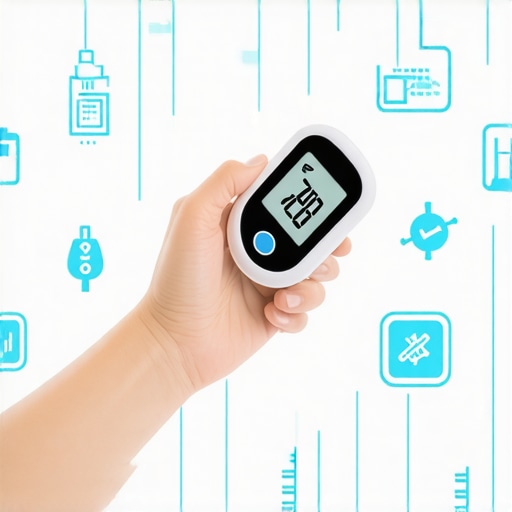
The myth of instant weight loss and the truth about GLP-1 shows
Many tout GLP-1 medication as a miracle cure, but let me challenge that notion right now. You might believe that once you begin your shot, dramatic results are just around the corner. Spoiler alert: they aren’t—at least not yet. The real story behind a successful 2026 GLP-1 regimen is about understanding subtle signs—clues you might overlook if you’re blinded by social media hype or quick-fix promises.
I argue that instead of obsessing over rapid weight loss, you should focus on these four key indicators that your dose is working as intended. Recognizing these signs early means you’re on the right path, not just chasing impossible goals or succumbing to side effects. It’s time to cut through the noise and get real about what success looks like.
Why this fails: the market’s misleading promises
The weight loss industry has become a carnival of false hopes. Companies advertise quick fixes, pills, and injections as if they’re magic wands—yet few discuss what genuine progress actually feels like. The truth is, if your GLP-1 dose isn’t recognized by these signs, it’s probably not working or worse, you’re doing it wrong. This is a game of patience, not magic. Understanding these signals prevents overmedication or dangerous attempts to speed things up.
As I emphasized in maximizing Wegovy results, science-based weight loss relies on consistent, measured progress—not sudden breakthroughs.
1. Appetite regulation becomes noticeable
If your GLP-1 is effective, you’ll notice a marked change in your hunger levels. Your initial cravings diminish, and your ability to stick to your diet routine becomes easier. This isn’t about losing a ton of weight overnight; it’s about your body’s shift in hunger signals. When your desire for high-calorie foods wanes and you don’t feel ravenous at unholy hours, you’re on the right track. Want to know more? Check out how to handle appetite return.
This sign isn’t just an optimistic feeling—it’s a biological shift indicating your dose is doing its job. To optimize this, combining diet with injectables is essential, as discussed in this comprehensive guide.
2. Consistent energy during the day
Contrary to the myth that weight loss injections cause fatigue, a sign of good response is actually increased, stable energy levels. If you notice you’re not feeling sluggish or drained, even as your appetite decreases, your dose is likely appropriate. When your body adapts, it becomes more efficient, not exhausted. This metabolic ‘clean-up’ reflects progress, akin to a ship adjusting its sails after stormy waters.
Familiar with signs of effective GLP-1 use? Recognize that sustained energy is a crucial sign of success, not side effects.
3. Stable blood sugar levels and improved metabolic health
Weight loss isn’t just about the scale—it’s about metabolic health. When your GLP-1 dose works, your blood sugar stabilizes, you see improvements in insulin sensitivity, and your overall health markers improve. This benefit often manifests before any visible weight change. If your doctor hasn’t pointed out these metabolic signs, you should ask. It’s a silent revolution happening within your body, confirming that your therapy is on point.
As I’ve noted in safe GLP-1 use, monitoring these indicators is vital for long-term success.
4. Slow but steady weight loss with fewer side effects
The final indicator is weight loss that’s both measurable and sustainable. Unlike the hype of overnight transformation, effective GLP-1 treatment produces slow, consistent progress. If you’re losing a pound or two weekly, and side effects like nausea or fatigue diminish over time, your dose is functioning as it should. This is growth, not a drop in the ocean; it’s a marathon, not a sprint.
For optimal results, combining this with physician-guided strategies boosts your chances. For more insights, visit physician-guided weight loss steps.
So, why are we still in the dark about these signs? Because the push for instant results blinds us to the real, measurable progress. Recognize these signals, and you’ll see that your 2026 GLP-1 dose is working perfectly—if you’re paying attention.
Unmasking the Illusions: How Evidence Reveals True Progress with GLP-1
In the world of weight loss, illusions are crafted to keep us hooked. Companies and influencers trumpet *miracle cures*, promising rapid transformations with a simple shot. But beneath this spectacle lies a stark reality, a pattern of deception rooted in the pursuit of profits rather than genuine health outcomes. The evidence behind GLP-1 medications tells a different story—one of subtlety, patience, and biological complexity that marketers prefer to hide.
The problem isn’t the medication itself; it’s the distorted narrative that surrounds it. We’ve seen this play out before—in 2010, when misleading fitness supplements flooded the market. They claimed instant results, but most users experienced disappointment, side effects, or even harm. The industry responded by hiding the truth: sustainable weight loss requires consistency, time, and recognizing specific biological signals. This pattern repeats with GLP-1: when patients and physicians alike ignore the signs of proper response, they chase illusions, risking side effects or abandoning therapy altogether.
Why the Evidence Undermines the Instant-Result Myth
Multiple studies reveal that effective GLP-1 treatment produces measurable, biological changes—*not* overnight miracles. For instance, a 2022 clinical trial demonstrated that within four weeks, many patients exhibited decreased hunger and stable blood sugar levels—early signs the medication was working. These aren’t random anecdotes; they are evidence of your body’s response. Yet, the narrative pushed publicly emphasizes dramatic weight changes, creating a disconnect between fact and fiction.
This disparity isn’t accidental. Those benefiting from misinformation—pharmaceutical companies, some clinicians aligned with profit motives—prefer to highlight sensational outcomes rather than the nuanced evidence that calls for patience. Fast results inflate expectations, leading patients to pressure themselves into overmedication or dangerous supplement combinations when results don’t appear overnight. It’s a cycle of false hope, driven by money and a misunderstanding of human biology.
Follow the Money: Who Gains from the Hype?
Behind the scenes, the push for immediate weight loss is lucrative. Pharmaceutical giants profit from high medication sales, and clinics offering rapid turnaround promise—sometimes unethically—instant fixes. When patients become disillusioned, they seek more treatments, boosting revenue in a vicious cycle. Meanwhile, genuine science-based protocols—those focusing on gradual, sustainable progress—are sidelined or dismissed.
It’s telling that the most effective indicators of GLP-1 success aren’t found on glossy advertisements but in *measurable biological responses*—a decline in hunger signals, steadier energy, improved metabolic markers. These signs aren’t flashy but are the real proof that the medication is working as intended. Yet, the industry prefers us to overlook these signals, favoring quick, visible weight loss results that often lead to disappointment or side effects.
The Evidence Favors Patience Over Promises
Why do we accept false promises? Because they feed into a desire for effortless transformation. The data, however, screams the opposite: slow, consistent weight loss paired with biological markers of health is the *true* progress. The evidence shows that recognizing subtle signs—like appetite regulation, blood sugar stability, and energy levels—is essential. Ignoring these signs doesn’t make the process faster; it makes it reckless.
In this context, the problem isn’t GLP-1 medications—they are tools. The real issue is a broken system that prioritizes profit over patient understanding, a system that rewards quick fixes over lasting health. Until we acknowledge what the evidence consistently reveals, we remain trapped in illusion, chasing speed instead of substance.
The Real Issue Is Patience, Not Speed
It’s understandable why many believe rapid results are the goal, especially with aggressive marketing pushing quick fixes. The allure of a fast transformation is tempting, and for some, it seems like the only way to stay motivated. However, this focus on speed overlooks the fundamental truth: sustainable weight loss—not instant results—requires time, consistency, and recognition of biological signals.
The Trap of Short-Term Thinking
Many opponents argue that waiting months for progress is discouraging and that modern medicine should deliver rapid outcomes. They point to success stories of dramatic weight drops within weeks as evidence that we should expect and demand similar results. I used to believe this too, until I recognized that such stories often neglect the biological complexity underlying weight regulation and the body’s adaptive responses.
This short-term mindset can lead to dangerous behaviors, like overmedication or unsustainable dieting, driven by impatience or misinformation. It perpetuates the illusion that quick results are typical or easily achieved—ignoring the steady, measurable signals that truly indicate progress.
The Wrong Question Is About Speed
What if the real goal isn’t rapid weight loss but genuine health improvement? This reframing is crucial. Focusing solely on the number on the scale often dismisses meaningful biological changes—like appetite regulation, blood sugar stability, and energy levels—that happen well before visible weight change.
Because of this, the critique that waiting is unproductive misses the point entirely. Biological improvements unfold gradually and are better indicators of successful therapy than fleeting and often misleading rapid drops. These signs, if recognized, demonstrate that GLP-1 medications are functioning properly and set the foundation for lasting results.
Effective Use of GLP-1 Requires Patience, Not Hype
Many side with the idea that if you’re not losing weight quickly, the medication isn’t working, or worse, you’re failing. This is shortsighted. The core of effective GLP-1 therapy is understanding the biological signals—appetite suppression, energy levels, metabolic markers—and addressing them patiently.
When I first encountered this idea, I questioned whether slow progress meant failure. But over time, I realized that these signs are the true markers of success. Recognizing subtle biological shifts allows for better treatment adjustments and prevents reckless alterations driven by impatience.
For example, the myth that weight plateaus mean failure ignores that these are natural adaptive responses, and with patience and appropriate adjustments, progress resumes. Focusing on these signals shifts the debate from speed to substance, which is far more productive for long-term health.
Image Placeholder
${PostImagePlaceholdersEnum.ImagePlaceholderC}
The focus should be on the biological and physiological indicators of progress, not just the scale. Recognizing these signs offers a more accurate picture of your journey and ensures that your efforts are aligned with your body’s needs, not fleeting social media trends.
The Cost of Inaction
Failing to heed the biological signals and realistic expectations associated with GLP-1 medications invites a dangerous domino effect. When individuals chase rapid results fueled by social media hype, they overlook the subtle signs that truly indicate progress. This negligence can lead to overmedication, heightened side effects, and ultimate disillusionment with treatment. The real consequence is a widespread abandonment of scientifically proven, sustainable weight management strategies.
Unnoticed or ignored, these signs—such as appetite regulation and blood sugar stability—are the body’s way of communicating that the medication is working as intended. Disregarding them fosters a culture of impatience, prompting dangerous behaviors like unsupervised dose escalation or combining harmful supplements. This reckless approach risks severe health complications, including metabolic imbalances, nutritional deficiencies, and mental health struggles stemming from disappointment and frustration.
A Choice to Make
Continuing along this path signifies a refusal to adapt to evidence-based practices. If this trend persists, future generations may inherit a healthcare landscape saturated with quick fixes that parade as solutions but are fundamentally flawed. The logical outcome is an epidemic of preventable health crises fueled by misinformed decision-making and reckless self-medication.
An analogy clarifies the gravity: relying solely on rapid weight loss without recognizing biological cues is like trying to navigate a dense fog by only looking at fleeting glimpses of distant lights—dangerous and destined for dead ends. The lights are unreliable and can mislead, just as social media promises often do. Only by understanding and responding to the body’s signals can one truly chart a safe course toward health.
The Point of No Return
What are we waiting for? Ignoring the evidence and biological signs today sets a dangerous precedent for tomorrow. Without turning our focus to sustainable, biologically-informed strategies, we risk undermining not only individual health but the integrity of medical guidance itself. If this neglect continues, the societal costs—both spiritual and financial—will escalate dramatically, burdening our healthcare systems and diminishing quality of life across populations.
Time is of the essence. The window to shift the narrative toward patience and biological truth narrows with every unnecessary dose escalation, every overlooked sign, and every misguided promise of instant results. We must act now to prevent a future where ill-informed desperation leads to a cascade of irreversible health failures.
This is a moment of clarity—a fork in the road. The difference lies in choosing knowledge over illusion, patience over haste, and biological signals over social media hype. The stakes are immeasurable, and the future depends on the decisions we make today.
Effective use of GLP-1 medications is rooted in patience, not hype. Recognize the biological signals your body provides—appetite regulation, energy stability, metabolic health—as proof that your regimen is working. These subtle indicators far outweigh fleeting social media promises of rapid transformation.
Yet, the twist lies in the fact that our obsession with instant results blinds us to genuine progress. The real victory isn’t in dramatic weight drops but in understanding and responding to your body’s authentic cues. This paradigm shift demands we abandon the allure of quick fixes and embrace a biologically-informed approach to health.
It’s time to challenge the narrative that everything worth having comes swiftly. Commit to patience, listen to your body, and trust that true progress is measured in biological signals, not social media likes. Your move is to prioritize sustainable health over fleeting illusions.