
The Myth of the Miracle Foods
Most people believe that certain “superfoods” or “fat-burning” foods will somehow save them during Ozempic injections. That’s a dangerous lie. The truth is, food choices on injection days are less about magic and more about sabotage. If you’re serious about shedding pounds, you need to recognize which battles to drop from your plate — and which ones are just marketing ploys.
Why This Fails
Picture this: You’re gearing up for your weekly Ozempic shot, believing that a handful of almonds or a green juice can counteract the medication’s appetite-suppressing power. So you indulge, thinking you’re in control. But in reality, you’re building a house of cards. These so-called “weight loss foods” often contain hidden sugars, unhealthy fats, or empty calories that undermine your progress. They lull you into false security, making you think you’re winning when, in fact, you’re preparing for a slip — or even a crash.
The Hard Truth About Food and Injectables
Injectable weight loss treatments like semaglutide are designed to modulate your appetite and insulin response. They cut through the noise, reducing your craving for junk, yet many still cling to misguided notions. Do you honestly believe that eating a carb-laden burrito on injection day will help? Think again. Your body doesn’t operate on magic foods. It responds to consistency, discipline, and understanding that some foods are simply incompatible with your goals.
Just as a captain can’t steer a sinking ship clear of icebergs by denying their existence, you can’t cheat the system by adding frivolous foods on injection days. Instead, focus on proven strategies like combining diet with injectables, as I detailed in this guide. The real secret isn’t what you eat on those days; it’s what you refuse to include in your diet permanently.
Foods to Stay Far Away From on Ozempic Injection Day
If you want to maximize your results and avoid the rollercoaster of hunger and disappointment, steer clear of these top four dietary villains:
- Refined carbohydrates, such as white bread, pastries, and sugary cereals. These spike your blood sugar and trigger appetite later.
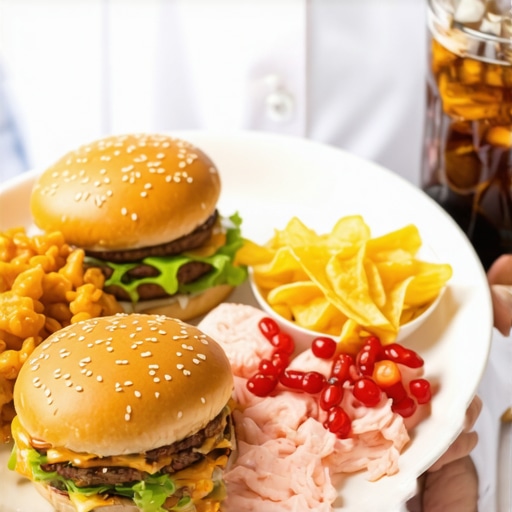
- High-fat fast foods—think fried chicken, greasy burgers—which can sabotage your digestive system and cause inflammation.
- Sweetened beverages—sodas, energy drinks, sweet teas—that pack hidden sugars disguised as “refreshing” drinks.
- Processed snacks like chips, cookies, and candy that are engineered to stimulate your desire, making it harder to stick to a healthy plan.
Ignore this advice at your peril. A misstep on injection day can set you back weeks. The key isn’t in finding that elusive “magic food”; it’s in rejecting the dietary debris that always seems to find its way onto your plate just when you think you’re making progress. As I argued in this article, mastering your diet is the ultimate weapon against plateaus and setbacks.
Stop Playing by the Old Rules
The era of pretending that a slice of cake or a greasy fry won’t derail your progress on Ozempic is over. It’s time to face the brutal reality that some foods aren’t just unhealthy — they’re your enemy. The smarter move? Prepare a menu that supports your medication’s promise, not one that sabotages it. Because if you’re not vigilant about what you avoid, the scale will be the last to agree with your fantasies.
The Evidence: Dissecting the Myth of Magical Foods
For years, marketers have peddled the idea that certain foods can negate the power of medications like semaglutide. Yet, scientific studies consistently show that food’s role in weight management, especially alongside injectable treatments, isn’t about magic but about metabolic reality. When patients consume high-sugar, high-fat foods on injection days, their blood sugar spikes, insulin responses surge, and the appetite-suppressing benefits of these drugs are compromised. This isn’t speculation; it’s backed by endocrinological research indicating that the body’s response to food remains largely unaffected by medications designed to modify it.
The Root Cause: Misguided Beliefs and Marketing
The problem isn’t simply that people eat unhelpful foods; the core issue lies in a fundamental misunderstanding propagated by aggressive marketing. The illusion persists—people believe that a handful of almonds or a green juice can offset the medication’s effects. But, in truth, these foods are often cloaked in deceptive advertising, hiding hidden sugars or unhealthy fats that directly oppose the goals of weight loss. The misconception is perpetuated because it offers hope without effort, hiding the inconvenient reality that sustainable weight management hinges on total dietary discipline, not selective food choices.
The Financial Drivers: Who Wins and Who Loses
Big food corporations and supplement industries have a vested interest in promoting the idea of ‘magic foods.’ They benefit from consumers’ belief that shopping for fat-burning berries or detox teas is enough to tip the scales. The pharmaceutical companies, while promoting drugs like Ozempic, also face a paradox—if patients believe they can cheat the system with a salad, prescriptions decrease. Yet, both parties profit from a system where continued misconceptions fuel ongoing consumption of processed products disguised as healthy options. This dissonance reveals a deliberate attempt to sustain a consumption cycle, rather than genuinely empower weight loss.
The FalsePromise of Food Swaps
Consider the typical narrative: replace cupcakes with chia seeds, french fries with air-fried veggies, and lose weight effortlessly. But evidence from clinical trials underscores that such swaps, when made in isolation, yield marginal gains at best. The metabolic effects of processed foods are deep-rooted; they stimulate cravings, cause inflammation, and promote fat storage. The supposed ‘healthy’ foods often contain hidden sugars and unhealthy fats, undermining their health claims. The irony? These substitutes often distract from the real issue—the need for comprehensive lifestyle changes rooted in rigorous understanding, not superficial swaps.
The Aggressive Marketing of ‘Superfoods’ and Its Impact
The relentless promotion of superfoods as miracle cures is a clear tactic to distract and monetize. The narrative shifts responsibility from behavior to miraculous ingredients. History has shown that such strategies are short-lived and ultimately harmful. Take the 2008 antioxidant craze, which burst when deeper investigations revealed limited benefits and even potential harms. Today, the superfood industry thrives on the same speculative promises, convincing consumers that a small investment in kale or blueberries can override the fundamental requirement of discipline and consistency mandated by medications like Ozempic. The health claims are exaggerated, and the marketing campaigns are designed to capitalize on hope—irony at its finest. Scientific truth cuts through this fog: no food can replace the consistency of disciplined eating and physical activity, especially when medications are involved.
The Critics Will Say That Food Still Matters on Injection Days
It’s easy to see why some argue that mindful eating remains crucial, even when using weight loss injections like semaglutide. They point out that diet is the foundation of any healthy weight management plan, and neglecting it could undermine the medication’s effects. For them, the real issue isn’t just the medication but the systemic importance of nutrition, discipline, and lifestyle habits that sustain long-term results. Their perspective emphasizes that pills are tools, not magic bullets, and that ignoring dietary quality, especially on injection days, risks compromising the entire effort.
The Wrong Question: Are Foods Such as Sugary Snacks or Refined Carbohydrates Completely Off-Limits?
I used to believe this too, until I recognized that framing the issue around forbidden foods is both shortsighted and unhelpful. The real question isn’t whether a single sugary snack or carb-laden meal will derail progress but rather how consistently and intelligently one navigates their overall dietary patterns. Focusing obsessively on specific foods ignores the broader context of balanced habits and the body’s complex response to nutrition. Isolated indulgence might momentarily hamper progress, but it doesn’t undo months of disciplined effort when placed within the bigger picture.
The Distraction of Food Purity
Many critics emphasize that sticking to ‘clean eating’ is essential, asserting that even minor slips are disastrous. They argue that quality foods on injection days can amplify medication benefits while junk foods negate them entirely. While there’s merit to limiting processed foods, this view ignores the resilience of the human metabolism and the psychological aspect of dieting. Strict avoidance can breed guilt or rebellion, ultimately sabotaging long-term adherence. The focus should be on sustainable, adaptable habits rather than rigid rule sets that set people up for failure.
${PostImagePlaceholdersEnum.ImagePlaceholderC}
Addressing the Myth of Perfect Compliance
One of the most pervasive illusions is that perfection is achievable or even necessary. Instead, the reality is that mistakes happen, and exceptional results come from consistency over time, not perfection at every meal. By obsessing over every bite, many become discouraged or develop unhealthy relationships with food. The smarter approach is to accept occasional lapses without letting them define the entire trajectory. This holistic perspective recognizes that dietary discipline doesn’t mean perfection but rather resilience and awareness.
Why the Opposition’s Focus Is Misguided
Critics rightly remind us that diet remains a cornerstone of health and weight loss. Yet, their fixation on food purity on injection days misses the point: it’s about overall patterns, not isolated meals or snacks. They risk oversimplifying the science, ignoring individual variability, and falling into emotional traps of guilt and shame. Their stance—while rooted in legitimate concerns—must be complemented by a broader understanding that weight management is a nuanced interplay of behavior, biology, and sustainability.
Conclusion: Food Is a Factor, Not the Dictator
Concentrating solely on food choices during injection days distracts from what truly matters—consistent, smart behaviors that foster sustainable weight loss. The focus should be on creating an environment where healthy choices are easier, setbacks are normalized, and the bigger picture takes priority over isolated dietary slips. Only then can patients leverage the full potential of medications like semaglutide without being paralyzed by fear of every misstep.
The Cost of Inaction
Ignoring the stark realities of diet and medication synergy is a gamble with devastating consequences. When individuals dismiss the importance of disciplined eating alongside injectables like semaglutide, they set the stage for a cascade of setbacks. Blood sugar fluctuations spike, hunger spirals out of control, and the weight loss journey becomes a frustrating uphill battle—if it progresses at all. This complacency doesn’t just stall progress; it actively sabotages it, leading to emotional exhaustion and disillusionment.
A Choice to Make
Every moment of neglect adds another brick to the wall of failure. When the population continues to believe in the myth that a magic food or a single injection can solve all, they abdicate responsibility for their health. This widespread ignorance fosters a culture of short-term thinking, where instant gratification outweighs long-term wellness. The world risks becoming a landscape littered with broken promises, false hope, and rising healthcare costs. Persisting down this path ensures more individuals face preventable comorbidities like diabetes, cardiovascular disease, and diminished quality of life.
The Point of No Return
If this trend continues unchecked, future generations might inherit a health crisis of unprecedented scale. Imagine a society where chronic illnesses dominate the medical landscape, not because of genetic destiny but due to collective neglect. Healthcare systems will buckle under the weight of preventable conditions, and economic productivity will decline as workforce health deteriorates. The opportunity to pivot toward education and discipline will be lost, transformed into a regretful history of wasted potential.
This scenario is akin to a ship heading straight towards an iceberg—without awareness or action, disaster is inevitable. The iceberg here is the collective failure to recognize that weight management is a comprehensive process demanding more than quick fixes. Failing to confront this truth will leave us stranded in a future where health crises are the norm, not the exception.
Is it too late?
Every moment we delay in embracing the reality of disciplined, science-based weight loss strategies compounds the risks. The window to change course narrows with each passing day. To ignore the evidence and cling to myths is to accept a future where health is sacrificed for convenience. The question remains: what are we waiting for?
The Final Verdict
Food choices on injection days are mere distractions; real progress hinges on disciplined habits beyond what’s on your plate.
The Twist
What if the biggest obstacle to your weight loss isn’t the scale but the illusions you cling to about magic foods and quick fixes?
Your Move
Stop searching for the perfect snack or the secret food; instead, challenge yourself to abandon the myths perpetuated by marketing and embrace scientific, disciplined strategies. The truth is, sustainable weight loss is a mindset, not a menu. For proven tactics that harmonize diet and medications like semaglutide, explore this guide. Make the conscious choice to prioritize consistency over illusions. Your future self will thank you for it.