
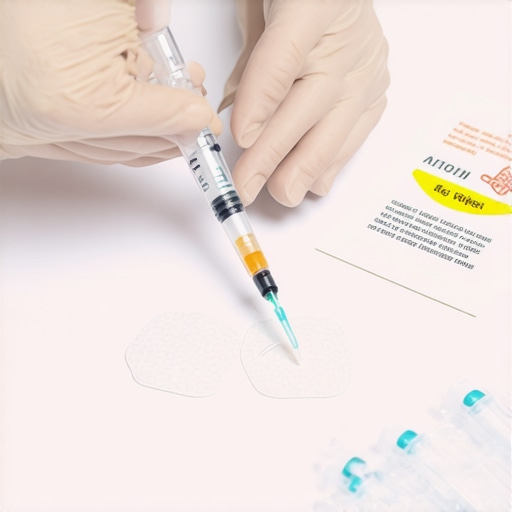
The Dangerous Illusion of Effortless Weight Loss in 2026
If you think injections like tirzepatide or semaglutide are some kind of magic bullet, think again. The craze around injectable weight loss treatments has transformed into a circus where hype outpaces science. But here’s the hard truth: relying solely on these drugs without proper rules is a fast track to disappointment and potentially serious health risks.
While many enthusiasts and marketers promise miraculous results, I argue that the real key to sustainable weight management in 2026 is discipline, not convenience. The market is full of misleading claims, pushing people to chase after quick fixes instead of embracing a structured, science-backed approach. So, why are we still falling for this? Because the allure of effortless weight loss is too strong to resist.
In this article, I’ll outline three essential rules that anyone considering GLP-1 injections must follow to ensure safety and maximize benefits. Ignore these, and you risk turning your health journey into a costly mistake—just like a chess game where one poor move can cost everything. It’s time we stop playing roulette with our health and start following proven practices rooted in medical guidance.
The Market is Lying to You
Let’s be clear: not all injection protocols are created equal. Supervised injectable weight loss isn’t about just tossing a prescription and hoping for the best. It requires understanding dosage, timing, and side-effect management. As I argued in this guide, science-based strategies are your best armor against adverse outcomes.
The Historical Parallel of Wellness Fads
History has repeatedly shown that the allure of rapid results consistently blinds us to the perils of quick fixes. Take the fad diets of the 1980s, which promised instant weight loss with minimal effort. The truth? Many of these plans led to nutritional deficits, yo-yo dieting, and long-term health complications. Now, in 2026, the obsession with injectable weight loss treatments mirrors those misguided trends. We are witnessing a cycle where hype overtakes science, and the consequences are just as dire.
The Root Cause Analysis of Industry Deception
The core issue isn’t the devices or drugs themselves but the *system* that promotes them. Pharmaceutical companies and clinics benefit financially from pushing these injections. As a result, they often emphasize *immediate* outcomes—appearing to promise effortless fat loss—while downplaying side effects or long-term health risks. This profit-driven motive distorts the narrative, making safe, science-based protocols seem like slow, ineffective options. The problem isn’t the drugs; it’s the *deceptive practices* that Obscure the necessary precautions and accountability.
Who Profits from the Illusion?
It’s crucial to *follow the money.* The visible beneficiaries are clinics, pharmaceutical firms, and influencers hawking quick-fix solutions. But behind the scenes, insurance companies and health care providers also gain—by reducing upfront treatment costs and avoiding comprehensive lifestyle interventions. These injections are marketed as standalone solutions, allowing the industry to sidestep the more challenging but essential work: counseling, diet, and exercise. The financial incentive system fuels the perpetuation of these hazardous shortcuts with *little regard for patient safety.*
The Evidence of Risk
What do science and real-world data say? Studies exposed in recent years reveal that misuse or unsupervised use of drugs like semaglutide or tirzepatide can lead to severe adverse effects—ranging from pancreatitis to cardiovascular issues. Moreover, the 20% drop in weight that some clinics tout is a *collapse*—a result often involving electrolyte imbalances or muscle loss, not sustainable fat reduction. The clinical trials that support these drugs often involve strict supervision, which is *absent* in most self-administered or unregulated settings. This creates a false sense of security around their safety.
Why the Illusion Persists
The industry plays on *our* desire for instant gratification. The promise of effortless weight loss is seductive at a time when social media glorifies perfection with minimal effort. Ads flooding our feeds devalue the importance of discipline, diet, and long-term lifestyle changes. This perpetuates a dangerous misconception: that science-backed, medically supervised injections are a shortcut—when, in reality, they demand rigorous oversight and strict adherence to proven protocols. The fact that many patients experience side effects or regain weight once treatment ceases underscores the illusion’s fragility.
The Unseen Consequences
People are risking more than their wallets; they’re risking their health. The rush for quick fixes distracts from the *real* work—building sustainable habits rooted in medical guidance. When the evidence shows that misuse can lead to severe health issues, it becomes clear—*effortless weight loss* isn’t just a myth; it’s a dangerous mirage. Every unmonitored dose taken outside of a physician’s supervision increases the probability of disastrous outcomes, yet the industry continues marketing these protocols as safe and effective.
The Trap of Easy Solutions Is Still Trapping You
It’s understandable why many are drawn to the promise of quick fixes like semaglutide and tirzepatide, especially when social media depicts rapid weight loss as effortless. Critics argue that with proper guidance, these injections can be safe and effective tools in a comprehensive weight management plan. They point out that, under medical supervision, adverse effects are minimized, making these treatments a legitimate resource for those struggling with obesity.
Don’t Be Fooled by Simplistic Narratives
However, this perspective overlooks a fundamental flaw: it assumes that injectable weight loss treatments are standalone miracles, neglecting the complexity of sustainable health. I used to believe this too, until I recognized that emphasizing medication without addressing lifestyle, mindset, and underlying health issues is shortsighted. Relying solely on injections simplifies a multifaceted challenge into a shiny band-aid, which can lead to neglect of essential long-term strategies.
This oversimplification creates a dangerous misconception—that medication alone can deliver lasting results without effort. While these drugs might assist temporarily, they do not resolve behavioral, psychological, or nutritional factors that underpin weight management. Emphasizing their safety without acknowledging these nuances is mere验证 of naive optimism.
The Wrong Question: Fast or Safe?
Many advocates pose the debate as whether injections are merely fast or safe. But this framing is flawed. The real question is whether they are *sustainable* and *holistically beneficial.* Quick weight loss, achieved via injections, often masks underlying issues like metabolic health, emotional well-being, and nutritional deficiencies. Addressing weight through a laser focus on speed risks neglecting these critical factors, which ultimately determine whether the loss can be maintained.
It’s easy to look at short-term weight metrics and get excited about 15-20% drops in body weight. But what about muscle preservation, hormonal balance, and mental health? These aspects are neglected when the focus remains purely on rapid fat reduction. The industry’s obsession with fast results often ignores the potential for rebound weight gain, nutritional deficits, or health complications down the line.
The Real Danger Lies in Deception
Clinicians and researchers acknowledge that when used correctly, these drugs can be part of a broader, medically supervised plan. The problem is that the average person doesn’t have access to such precise oversight, and the industry capitalizes on this gap. This creates a false sense of security—a dangerous illusion that these injections are harmless, when in truth, they carry significant risks if misused.
We should not overlook the fact that, in the absence of comprehensive management, these drugs can lead to serious side effects, including pancreatitis, gastrointestinal issues, and cardiovascular strain. The industry’s failure to emphasize these risks reflects a shortsighted profit motive, which obscures the nuanced reality of medical safety.
The Reality Check
If we are to embrace these treatments responsibly, we need a paradigm shift—moving away from the reckless pursuit of immediate results to a focus on long-term health. This means rigorous medical oversight, personalized lifestyle interventions, and ongoing psychological support. Anything less is a gamble—one that the industry encourages and the social media hype perpetuates.
In the end, the question isn’t whether injectable weight loss treatments are safe or effective per se, but whether their use aligns with a genuinely holistic, sustainable approach to health. Until then, dismissing the broader context and rushing into quick fixes remains a perilous mistake.
The Cost of Inaction
If we continue to dismiss the warnings about injectable weight loss treatments and the deceptive marketing behind them, we risk setting ourselves on a collision course with severe consequences. The current rush for quick fixes is not just a fleeting trend—it’s a catalyst for deeper health crises that will ripple through generations. As more individuals chase after effortless fat loss without proper guidance, the cumulative toll on public health systems will escalate, straining resources and increasing long-term medical costs.
In the immediate context, ignoring the risks means accepting a landscape where preventable complications become commonplace. Hospitalizations for pancreatitis, cardiovascular issues, and nutritional deficiencies may surge as unregulated use of these drugs becomes more widespread. This is not a distant threat; it’s a looming reality if society chooses ignorance over informed action. The urgency is compounded by the current social media-driven obsession with instant results, which glamorizes shortcuts and diminishes the importance of disciplined, science-backed approaches.
The Future Looks Grim in Five Years
If this wave of neglect persists, by 2031, we could face an epidemic of health problems directly linked to misuse and overreliance on injectable weight loss solutions. Chronic conditions such as metabolic syndrome, osteoporosis, and psychological dependencies could become the norm rather than exceptions. The comprehensive understanding of health—once rooted in a balanced approach including diet, exercise, and mental wellness—will be overshadowed by a culture that equates rapid fat reduction with success.
This descent into a health dystopia will not be limited to individuals; societal productivity and economic stability will suffer as workforce absenteeism and healthcare costs skyrocket. Just as neglecting the foundational principles of civil engineering led to catastrophic failures in infrastructure, neglecting the science and safety of weight management risks similar tragedies in public health. The false promise of effortless weight loss has created a false sense of security, but the cost of ignoring this truth is an eventual collapse of our health infrastructure.
What are we waiting for?
We are standing at a crossroads. Like hikers on the brink of a treacherous mountain pass, the choice is ours: continue down the path of denial or face the reality and act decisively. Ignoring the warning signs now ensures a future where health crises are not isolated incidents but a systemic failure. The question isn’t just about individual safety; it’s about the society we will become if we allow the illusion of effortless weight loss to persist unchallenged. It is time to recognize that complacency today guarantees chaos tomorrow. We must act before the point of no return is crossed, and the true cost of inaction becomes irreversible.
Your Move
As society hurtles toward a future where weight loss is portrayed as a simple injection away, the real question looms: are we willing to accept the dangerous illusions crafted by profit-driven industries, or will we reclaim our health through discipline and scientific guidance? The false promise of effortless fat reduction has seduced many into shortcuts that jeopardize long-term well-being. It’s time to decide: will you succumb to the quick-fix fantasy, or embrace a responsible, medically supervised approach that respects your body’s complexity? For a clear path, explore the importance of supervised injectable weight loss.
The Bottom Line
Quick fixes like semaglutide and tirzepatide may appear tempting, but their safety and efficacy hinge on rigorous oversight. The market’s hype often masks the risks of misuse and neglects the deep, systemic deception fueling these treatments. Long-term health demands more than transient results; it requires honest, accountable practices rooted in science. Waiting for a perfect solution is a trap. Instead, commit to informed decisions, personalized medical guidance, and disciplined lifestyle changes that stand the test of time. Remember, health isn’t achieved through shortcuts; it’s built with patience and integrity. To understand how to navigate safe and effective weight loss strategies, visit this guide.
Ultimate Challenge
The industry has sold us a mirage—now it’s your turn to see through the illusion. Reject the fad-driven frenzy and choose a path of responsibility. The true victory in weight management lies not in rapid loss but in sustainable health built on scientific truth. Are you ready to take control, or will you fall for the next fleeting promise? The choice is yours—make it wisely. Your move.