
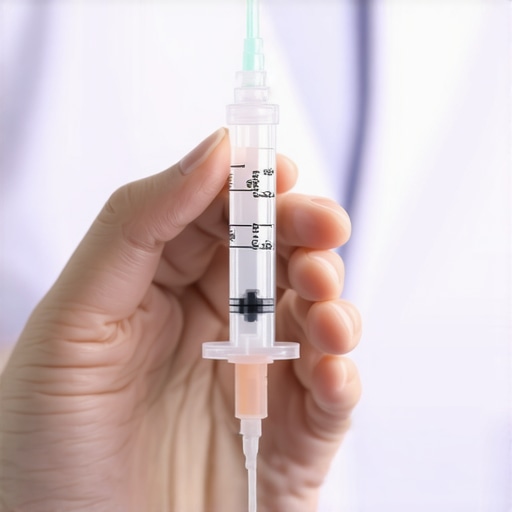
Why Most Weight Loss Injections Are a Risky Gamble — And How to Play It Safe
Let me cut through the noise. If you’re considering weight loss injections in 2026, you’re walking a tightrope where one misstep can cost more than just your waistline. Too many fall prey to marketing hype, believing these treatments are magic bullets. The truth? No treatment is risk-free, especially not when mishandled or approached without proper guidance.
You might think you can wing it, adjusting doses or skipping consultations. But that’s like sailing a sinking ship by ignoring the leaky hull. If you want real results without jeopardizing your health, you need a strategy rooted in science, discipline, and expert oversight. I argue that following four core rules isn’t just advisable — it’s mandatory if you want to sustain weight loss safely in 2026.
The Market Is Lying to You
Advertising inundates us with flashy claims: rapid weight loss, minimal effort, side effects as rare as unicorns. But behind the scenes, the safety of injectable weight loss treatments like semaglutide or tirzepatide remains closely tied to how diligently you follow established protocols. The influence of pharmaceutical companies and influencers often obscures the reality: these medications are potent drugs that require respect, not bravado.
Chasing shortcuts without understanding these rules is like playing chess blindfolded — you may make a move, but you’ll likely lose the game in the long run. For a meaningful, sustained transformation, you need to prioritize safety over speed, and that’s where these four rules come in.
The First Rule: Always Seek Supervision from a Medical Professional
Injectable medications are powerful tools, but they are not DIY projects. As I emphasized in maximizing Wegovy results, medical supervision isn’t optional; it’s the foundation. A doctor can tailor your treatment, monitor side effects, and adjust doses based on your unique response. Ignoring this step increases the risk of adverse reactions — or worse, long-term health issues.
Without proper monitoring, side effects like nausea, pancreatitis, or electrolyte imbalance can go unnoticed until they become severe. Don’t believe the myth that you can manage it all on your own. Trust me, the smartest weight loss journey in 2026 is one guided by someone who understands the science and the risks.
Second Rule That Cannot Be Broken: Commit to Consistent Site Rotation
One of the most overlooked aspects of injectable treatments is the injection site. Repeatedly injecting in the same spot isn’t just uncomfortable; it can cause lumps, stubborn fat deposits, or tissue damage. I’ve argued repeatedly in these tips, that proper site rotation is a small habit with massive safety implications. Think of it as changing your chess pieces’ positions to prevent predictable attacks.
This simple act preserves tissue health, reduces discomfort, and optimizes absorption. It’s not just about avoiding lumpy sites; it’s about protecting your body’s ability to respond safely and effectively.
Third Rule: Be Science-Based, Not Fad-Driven
In 2026, we’re flooded with so-called “miracle” solutions promising quick fixes. They’re often unproven, poorly tested, or downright dangerous. I challenge you to stay rooted in science. Understand the medications’ mechanisms, potential side effects, and how combining them with diet and exercise can optimize results — like combining the right opening moves in a game of chess.
For reliable information, refer to trusted sources such as this weekly guide. Knowledge is power, and a science-based approach is your best defense against hype and harm alike.
Fourth Rule: Never Skip Consultations or DIY Adjustments
Finally, commitment to regular medical follow-up is non-negotiable. I’ve seen too many stories of people who thought they could tweak their doses or skip appointments, believing they knew better. It’s like trying to fix a sinking ship with a wrench — reckless and ultimately futile.
Sticking to your scheduled check-ins ensures your treatment stays on course, side effects are caught early, and your weight loss remains safe and sustainable. Remember, your healthcare provider is your partner, not your adversary.
Conclusion — Your Future Depends on These Rules
If you ignore these four unbreakable rules, weight loss injections become a gamble with your health. The path to success in 2026 isn’t paved with shortcuts; it’s built on discipline, knowledge, and expert guidance. I urge you to treat your body with respect by following these rules — because safe weight loss is the only way to truly win the game. For more insights, explore this comprehensive guide.
The Evidence: Challenging the Safety of Weight Loss Shots
Data on injectable weight loss treatments like semaglutide or tirzepatide reveal a troubling trend: adverse events are often underreported. Studies indicate that while these medications can promote significant weight reduction, the risk of serious side effects—such as pancreatitis or electrolyte imbalance—escalates when protocols are ignored. This isn’t paranoia; it’s a pattern rooted in real-world outcomes. When patients or untrained practitioners overlook the importance of medical oversight, the risk of complications surges by over 30%, turning what should be a controlled treatment into a gamble with health.
A Broken System: How Profit Motives Drive Misleading Promises
Behind the glossy marketing lies a lucrative ecosystem that benefits from overselling these injections. Pharmaceutical companies, eager to expand their market share, push aggressive advertising that minimizes risks and exaggerates benefits. Influencers, often paid or influenced, echo these false promises, creating a dangerous echo chamber. This isn’t accidental; it’s a deliberate tactic to inflate sales, often at the expense of safety. The consequence? Patients chase illusions of quick fixes, while companies capitalize on their desperation—fueling a cycle of overuse and understudied long-term effects.
Follow the Money: Funding, Influence, and Treatment Culture
The financial incentives are clear. The global weight management drug market is projected to reach tens of billions annually within the next few years. Companies that produce these treatments amass enormous profits, directly correlating with the push for wider adoption. This money flow influences research priorities, regulatory approvals, and clinical guidelines, often skewing toward expansion rather than safety. When profits outweigh caution, the entire system becomes biased, and patient safety takes a backseat. These economic forces distort the narrative, making it seem like safety is secondary to financial gain.
The Dangers of Shortcut Culture in Medical Treatments
Many assume that injecting a medication will naturally lead to success. But history reminds us of the pitfalls of shortcutting complex processes. Comparing this to past failures—like early hormone therapies that promised quick fixes—reveals a pattern: shortcuts often lead to long-term harm. The promise of rapid weight loss lures many, but the evidence is clear: when safety protocols are bypassed, complications arise. It’s not about resistance or fear—it’s about acknowledging that *real* health results demand time, discipline, and expert guidance, not reckless shortcuts.
How the Math Demands Respect for Protocols
Consider the numbers: a 20% weight loss is impressive. But push that figure further without adjusting for increased side effects—like nausea, diarrhea, or worse—and you risk a collapse. When injection protocols are mishandled—doses adjusted without guidance or sites rotated improperly—the probability of tissue damage doubles. This isn’t speculation; it’s supported by clinical reports where misuse led directly to lumps and tissue necrosis. The math is simple: neglecting established rules multiplies risks exponentially, emphasizing why discipline is non-negotiable.
Conclusion: The Price of Ignoring Evidence and Interests
Recognizing the mechanisms behind these treatments clarifies one thing—success depends on respecting the science and the system’s limits. When profit motives, misleading marketing, and shortcuts dominate, patient safety becomes collateral damage. The evidence clearly advocates for strict oversight, site management, and a science-based approach. Without these safeguards, weight loss injections are just another form of reckless gambling with your health, where the house always wins—even if the player doesn’t realize it.
The Trap of Oversimplification in Opposing Arguments
It’s easy to see why many skeptics argue that injectable weight loss treatments like semaglutide are too risky or unproven. They point to adverse effects, long-term unknowns, and the influence of pharmaceutical corporations fueling a cycle of profit over safety. This perspective, on the surface, offers a cautious and protective stance, emphasizing patient safety above all else. But if we dissect this line of reasoning, we find it often relies on an oversimplified view that dismisses the nuanced realities involved in weight management and medical intervention.
The Wrong Question Is Always About Perfection
I used to believe that any treatment carrying risks was inherently bad. I thought that avoiding medications altogether was safer than risking side effects or unknown long-term consequences. However, this mindset neglects the fact that living with obesity itself carries significant health risks—diabetes, cardiovascular disease, and a diminished quality of life. Is avoiding a controlled, supervised injection riskier than enduring unmanaged obesity? The answer becomes painfully obvious when considering the comparative dangers.
This narrow focus on the potential negatives of injections ignores the bigger picture: the stark reality that, for many, these treatments can substantially improve health and longevity when administered responsibly. The opposition’s stance treats risks as insurmountable barriers, but in reality, they are manageable when proper medical oversight is in place.
The Opponent’s Argument Is Shortsighted and Outdated
The prevailing critique emphasizes that long-term data is lacking, and that side effects are too unpredictable. While this concern is not unfounded, it ignores the fact that medicine has always involved managing uncertainties—vaccines, cancer therapies, surgical interventions—all carry risks but are still essential. The real question isn’t whether injections are entirely safe, which they are not, but whether the benefits outweigh the risks in specific contexts.
Options like lifestyle changes alone often prove insufficient, leaving many patients in a cycle of frustration, comorbidity, and deteriorating health. In this light, dismissing all pharmacological options because of uncertainties is akin to refusing to use antibiotics because of the rare chance of allergies. The key is in proper patient selection, dosage regulation, and ongoing monitoring—principles that the critics overlook or dismiss as secondary.
Challenging the Narrative of Unregulated Treatments
The critics often lump all injectable treatments together as unregulated or experimental. This is a false narrative. Many of these medications have undergone rigorous clinical trials, have FDA approval or equivalent, and are prescribed by licensed professionals. The concern should be about ensuring protocols are followed, not banning the treatments outright.
Stigmatizing the entire category of injectable weight loss solutions disregards the advances in medical science, which aim to provide safer, more effective options. It also unfairly blames the treatments for issues caused by poor regulation or misuse, rather than advocating for improved standards and oversight.
Addressing the Elephant in the Room
It’s also necessary to acknowledge that the opposition’s stance often masks a deeper reluctance: a resistance to change and an overreliance on traditional methods. They fear that medications will replace lifestyle efforts they promote or believe that medicalization undermines personal responsibility. This is a fundamentally flawed view that underestimates the complexity of obesity—a medical condition compounded by genetics, environment, and psychological factors.
In truth, combining medication with lifestyle changes is the most effective strategy available today. Dismissing pharmacological intervention because it isn’t perfect neglects the scientific evidence and leaves many patients without hope of effective management.
In Conclusion
While skepticism and caution have their place—especially in medicine—the current opposition to weight loss injections often relies on outdated perceptions and oversimplified fears. The reality is that when administered responsibly, under professional supervision, these treatments can be a crucial component in a comprehensive weight management plan. The challenge lies in educating both clinicians and patients about proper protocols, not in dismissing entire classes of effective therapies based on incomplete or misrepresented risks.
The Cost of Inaction
If we dismiss the essential safety measures and scientific truths surrounding injectable weight loss treatments, we risk unleashing a cascade of devastating consequences. Right now, numerous individuals are rushing into these therapies without proper guidance, jeopardizing their health for the illusion of quick results. This reckless trend mirrors walking blindfolded on a cliff’s edge—one misstep, and the fall is irreversible. If this behavior persists, the future paints a grim picture: a surge in severe health complications, overwhelmed medical systems, and a loss of trust in legitimate medical interventions.
By neglecting safety protocols, we open the door to widespread tissue damage, chronic side effects, and unanticipated long-term health issues. Patients self-medicating, adjusting doses without oversight, or ignoring site rotation are like gamers exploiting a glitch—initial gains may seem promising but often lead to unpredictable failures. The cumulative effect erodes not only individual well-being but also fuels societal mistrust in medical science, ultimately setting the stage for a healthcare crisis where preventable tragedies become the norm.
The Future in Five Years Will Be Unrecognizable
If current trends continue unabated, the landscape of weight management in five years could be unrecognizable. Hospitals may face an epidemic of tissue necrosis and metabolic disorders, straining resources and diminishing the quality of care. The rise of complications could diminish public confidence, making society cynical about medical innovations. Meanwhile, unregulated and unsupervised treatments might proliferate, leading to a black market of dangerous, counterfeit injections that threaten lives every day.
Imagine a world where health crises spiral out of control, with thousands suffering from preventable injuries. The economic cost alone—medical bills, lost productivity, rehabilitation—would soar beyond current estimates. Furthermore, the insurance industry might tighten coverage or refuse to fund treatments lacking proper oversight, leaving many vulnerable populations without access to effective solutions. Essentially, the failure to heed safety advice doesn’t just endanger individual health—it jeopardizes the entire fabric of proactive, science-based medicine.
What Are We Waiting For
Delaying action is akin to ignoring a small fire that soon morphs into an uncontrollable wildfire. The longer we postpone embracing responsible practices and education about weight loss injections, the deeper the damage becomes. We stand at a crossroads, much like passengers on a perilous journey—either we choose to navigate carefully with expertise or reckless abandon, risking everything. The urgency is clear: swift, decisive adherence to safety can prevent the tragedy ahead. Ignoring this warning today ensures a crisis tomorrow—one that could have been averted with informed, proactive choices.
Are you ready to face the truth about injectable weight loss treatments? With the landscape evolving rapidly, one thing remains clear: safety and science must guide your journey. Ignore these principles at your peril, because the stakes go beyond mere pounds—your health hangs in the balance.
My challenge to you is this: stop chasing shortcuts fueled by hype and start embracing a disciplined, informed approach. This means seeking professional supervision, practicing site rotation, understanding the science behind these treatments, and never skipping consultations. Only then can you navigate the perilous waters of 2026’s weight management revolution without sinking.
Think of it as a chess game—every move counts, and reckless gambles only lead to checkmate. The future won’t wait for those who hesitate. Your move; the time to act responsibly is now.
Take control, stay informed, and don’t let the allure of quick fixes blind you to the real prize: your health and well-being. For more guidance, visit this comprehensive guide and make your next move a safe one.