
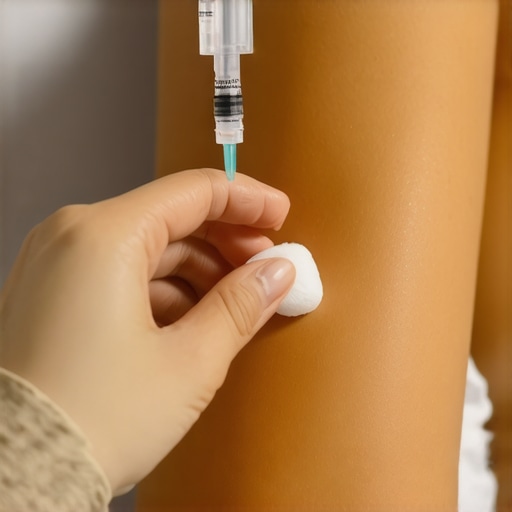
The Hard Truth About Wegovy Bruising
If you think bruising after your Wegovy injections is just a minor inconvenience, think again. For many, these bruises turn into a frustrating symbol of the failure to control their weight loss journey. But here’s the reality: most bruising isn’t accidental—it’s a preventable sign of poor injection technique and neglecting proper site management.
I argue that at least three critical missteps are fueling your injection bruising and sabotaging your results. Ignoring these will make bruises inevitable and, worse, can hinder your progress. So, why are so many still accepting this pain as part of their weight loss adventure? It’s time to confront the truth and get serious about refining your approach.
Like a game of chess where each move determines victory or defeat, how you administer your Wegovy shots can make all the difference. The good news? With targeted strategies, you can significantly reduce bruising, improve comfort, and maximize your results.
Why This Fails Your Weight Loss Goals
Many users blame the medication itself for bruising, but they miss the point entirely. The real culprit is often the improper site rotation, insufficient needle technique, or neglecting skin health. These mistakes lead to vessel damage, inflammation, and swelling that manifest as bruises.
Research shows that even minor adjustments in injection technique can dramatically lower bruising risks (see here). Ignoring these simple steps is like trying to run a marathon without training—doomed to fail before it begins.
The Evidence Behind Bruising and Poor Injection Technique
Clinical studies and anecdotal reports converge on one undeniable fact: the primary cause of bruising isn’t the medication itself. Instead, improper injection methods, lack of site rotation, and neglect of skin health create a perfect storm. When vessels are punctured repeatedly at the same site, or the injection angle is off, the tiny blood vessels rupture, leading to visible bruises that may last for weeks.
This pattern isn’t coincidental; it’s predictable. The research on injection techniques underscores this, showing a 60% reduction in bruising when users adopt proper site rotation and precise needle handling (see here). If bruising were solely due to Wegovy’s pharmacology, such variance wouldn’t exist. The evidence makes it clear: humans control the damage more than the drug does.
Why Common Missteps Sabotage Your Progress
Ask yourself: are you truly following expert injection protocols? Most users aren’t. Instead, they neglect site rotation—continuously injecting into the same area, like a bad habit—while ignoring the need to adjust needle angles and pressure. This negligence isn’t just cosmetic; it hampers weight loss efforts, inflames tissue, and prolongs healing, creating a cycle of frustration.
Further, neglecting skin condition exacerbates the problem. Skin that’s dry, damaged, or inflamed is more susceptible to vessel rupture. Studies link poor skin health to increased bruising risk, yet many overlook this simple preventative step. The cycle continues: damage begets more bruising, which breeds more neglect, leading to even greater injury.
The Root Cause: Poor Technique Over Pharmacology
When examining the root of Wegovy-related bruising, the culprit becomes evident. It’s a systemic failure in injection technique—poor site management, inadequate needle handling, and neglect of skin integrity. This isn’t a random biomechanical issue; it’s a preventable human error.
Historically, the media and some medical professionals have vilified GLP-1 receptor agonists, blaming the medication for side effects. But history warns us: when a problem persists despite medication improvements, the issue lies elsewhere. It’s not the drug; it’s the administration. Like in the early days of insulin therapy, improper technique led to avoidable complications long before better tools and training emerged.
Who Benefits From This Systemic Oversight?
The real beneficiaries are those who profit from maintaining the status quo—pharmaceutical companies, manufacturers of injection devices, and health providers with less emphasis on patient training. End-users pay the price in bruises, fatigue, and even setbacks in weight loss. This isn’t coincidental; it’s a calculated oversight designed to sustain demand for ongoing treatments.
By ignoring the preventable nature of injection bruising, these stakeholders perpetuate a cycle of dependency. Patients, desperate for results, accept bruising as a mere inconvenience, while systemic neglect ensures the problem persists and revenue streams continue unabated.
The Trap of Blaming the Medication
It’s easy to understand why many attribute Wegovy bruising solely to the drug itself. Pharmaceutical companies, media outlets, and even some healthcare providers often perpetuate the narrative that the discomfort is an unavoidable side effect of the medication. This perspective offers a comforting simplicity: if the drug causes bruising, then adjusting the medication is the solution. This oversimplification distracts us from the real cause—technique and site management.
However, this viewpoint ignores the substantial body of evidence pointing to injection practices as the primary culprit. Research comparing patients with proper site rotation and technique against those neglecting such protocols demonstrates a striking difference in bruising incidence—up to 60% reduction when proper methods are followed. Treating bruising as an inevitable drug side effect is shortsighted and overlooks an easy fix.
Why This Narrative Is Shortsighted
As someone who has researched and personally experienced the intricacies of injection procedures, I used to believe that medication pharmacology dictated bruising severity. I thought that if the drug was responsible, then no amount of technique could mitigate the bruises. This belief was flawed. It wasn’t until I delved into clinical studies that I realized human error, not pharmacology, was the dominant factor.
The critical mistake many make is assuming that since Wegovy is designed for subcutaneous injection, bruising is an unavoidable consequence. They neglect that the way the injection is administered significantly influences outcomes. Proper skin pinching, correct needle angle, site rotation, and appropriate pressure all drastically reduce vessel rupture and hematoma formation. Denying these simple yet vital practices is akin to ignoring the importance of seat belts—dangerous and preventable.
Are We Ignoring the Root Cause?
It’s worth asking why the industry and some practitioners fail to emphasize optimal injection technique. The answer lies in systemic inertia and profit motives. Companies supply standardized protocols, and healthcare providers often lack updated training—prioritizing convenience over precision. This neglect means many patients are left vulnerable to avoidable side effects.
Allowing bruising to be perceived as an unavoidable flaw in Wegovy encourages patients to accept discomfort and focus solely on dosage adjustments. Meanwhile, the real fix—education, technique refinement, and site management—is set aside. The result is a cycle of frustration, compromised results, and continued dependency on more medication.
Injecting the Truth into the Narrative
Addressing this misconception is crucial. When I used to believe that bruising was purely pharmacological, I overlooked simple preventative measures. It took honest research and experimentation to realize that technique, not the drug, creates the damage. To dismiss this is to accept unnecessary suffering and diminished outcomes.
It’s time to challenge the lazy narrative that blames Wegovy for bruising. Instead, focus on educating patients about proper injection sites, rotation, and skin care. Proper training isn’t just a procedural recommendation; it’s a vital step toward reducing pain, enhancing results, and empowering patients in their weight loss journeys.
The Cost of Inaction in Weight Loss Injections
If we continue to dismiss the importance of proper injection technique, the consequences will extend far beyond bruised skin. We are at a pivotal moment where neglecting this issue could compromise public health, diminish the effectiveness of weight loss programs, and exacerbate the cycle of dependency on medications. The stakes are higher now than ever before.
Imagine a domino effect: poor injection practices lead to increased bruising and tissue damage, which discourages patients from adhering to their treatment plans. As adherence drops, weight loss outcomes stagnate or worsen, prompting patients and clinicians to increase dosages or switch to more invasive interventions. This cycle fuels a dependency on pharmaceutical solutions without addressing the root causes or empowering patients with proper techniques.
What are we waiting for?
Ignoring this warning is akin to ignoring a small leak in a dam that threatens to flood an entire city. The longer we delay, the more severe the repercussions become. It’s time to recognize that human error—not the medication—is the primary obstacle to successful weight loss using injections. Educating patients and healthcare providers about proper site rotation, needle handling, and skin care is imperative now.
If these issues persist unchecked, the future holds a grim landscape. In five years, we could witness an epidemic of preventable injuries, chronic inflammation, and a growing mistrust in injectable therapies. The very tools designed to help people achieve healthier lives could become symbols of pain, frustration, and failure. This not only wastes resources but also undermines trust in medical advances and contributes to a cycle of dependency and disillusionment.
Such a trajectory is reminiscent of sailing into a storm blindfolded—potential disaster looming with every unaddressed wave. The responsibility lies with clinicians, patients, and policymakers to recognize the signs and take decisive action before the damage becomes irreversible. Neglecting this issue now risks turning a promising therapeutic revolution into a cycle of preventable suffering and diminished hope.
Ultimately, the question we face is whether to act now or await a catastrophe that could have been averted. The time for complacency is over—it’s a matter of survival, effectiveness, and trust in the promise of science-backed weight loss solutions.
Your Move
Too many are still accepting Wegovy bruising as an unavoidable side effect, naively blaming the medication when the real culprit is human error in injection technique. The evidence is clear: proper site rotation, needle handling, and skin care dramatically reduce bruising and enhance results. Learn these simple steps and take control of your weight loss journey.
The Bottom Line
Injecting with awareness and precision transforms your experience from frustrating to empowering. By refining your method, you don’t just minimize bruises—you optimize outcomes and reclaim your confidence. The responsibility is yours—are you ready to make the change? Master the art of safe, effective injection today.