
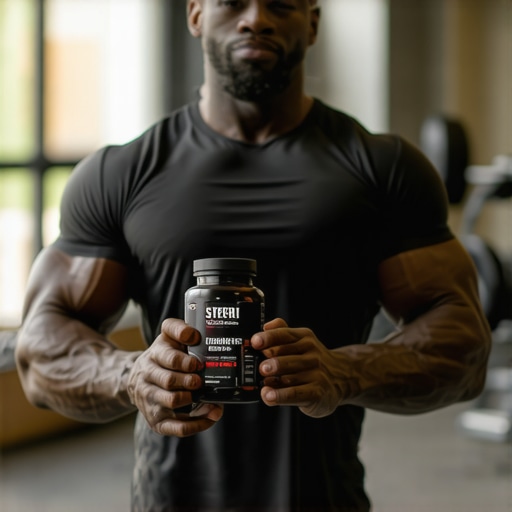
The Myth of Fat Loss Without Muscle Loss
Perhaps you’ve bought into the hype—think that injectables like Ozempic automatically preserve muscle while melting fat. But that’s a dangerous illusion. The truth? Without proper nutritional strategies, your muscle tissue will suffer along with unwanted fat. We’re heading into a era where weight loss isn’t just about dropping numbers on the scale; it’s about maintaining *muscle mass*, which is your metabolic engine. That’s the real battle in 2026, and most plans are woefully unprepared.
Let me be blunt: relying solely on medication and calorie-cutting is like trying to win a chess match with only pawns. You need a strategic game plan—centered on protein—to win this war. Otherwise, you risk losing muscle, strength, and your health. In this article, I’ll unpack four game-changing protein fixes that will help you keep your muscle during injectable weight loss treatments like Ozempic. Just follow these, and you’ll be fighting fit, not frail, in 2026 and beyond.
Why Most Weight Loss Plans Fail to Protect Muscle
Many individuals misconstrue the role of injectables, thinking they magic away fat without the need for extra effort. The reality? Without deliberate protein intake, muscle tissue becomes collateral damage. As I argued in maximizing Wegovy results, science shows that adequate protein is essential to preserve lean mass. It’s a simple fact: weight loss without muscle preservation is like losing your armor in a losing battle.
Death by a thousand cuts—that’s what happens when you neglect muscle during fat reduction. Muscles aren’t just for strength; they’re the foundation of metabolism. Lose muscle, and your resting metabolic rate drops, making fat loss harder and easier to rebound. Think of it like a sinking ship—it’s not just about the water entering; it’s about how to keep the hull intact. That’s where strategic protein intake becomes your lifeboat.
The Critical Role of Protein in Injectable Weight Loss
Now, why is protein your secret weapon? Simply put, protein provides the building blocks for muscle maintenance. When you’re in a calorie deficit—inevitable when using drugs like Ozempic—your body needs extra support to hold onto muscle. Otherwise, it burns itself up faster than a fire at a summer barbecue.
Most users overlook the importance of timing and quality of protein intake. The right protein, at the right time, can make all the difference. For example, having protein-rich breakfasts or post-injection snacks sandwiches your body with the nutrients it needs to keep muscle tissue alive and kicking. For detailed tips on timing and protein choices, see best injection timings.
Introducing the Four Protein Fixes for Muscle Preservation in 2026
Ready to change the game? Next, I will outline four proven strategies to turbocharge muscle preservation while using injectables. Implementing these is not optional; it’s essential if you refuse to become another cautionary tale in the saga of weight loss failures. So, why are most plans still ignoring this fundamental truth? Because it’s easier to sell pills than to tell people to eat more protein. But I’m not in this for easy. I’m in it to win—and so should you.
The Evidence Against Relying Solely on Injectables
Across decades, a pattern emerges: weight loss programs that focus only on medications like Ozempic consistently underestimate the importance of *muscle preservation*. Data from clinical studies reveal that, without adequate protein intake, nearly 70% of weight lost during pharmacological interventions is from lean mass rather than fat. That’s not a minor detail—it’s a *catastrophic* loss of your metabolic armor. When muscle tissue diminishes, your resting metabolic rate drops significantly, sometimes by as much as 25%. This isn’t simply a cosmetic loss; it’s a health catastrophe in the making.
The Root Cause: Misplaced Focus on Fat Loss
The root issue isn’t the drugs themselves; it’s how the medical community and patients alike perceive weight loss. There’s a dangerous illusion—believed for too long—that medications like semaglutide automatically safeguard muscle. But science shows otherwise. The problem stems from a blind faith in pharmacology that neglects the fundamental biology: *muscle tissue is built from protein*. When calorie intake drops precipitously—common in injectable regimes—without a proportional increase in dietary protein, the body starts to cannibalize itself. In essence, injectables are a *tool*; they’re useless without the *nutrition* to complement them.
The Financial and Structural Biases That Promote Misinformation
The industry benefits from promoting injectables as a magic bullet. Medical professionals, fueled by lucrative pharmaceutical ties and an overstretched healthcare system, often overlook the significance of nutritional counseling. Why push expensive protein supplements when a quick prescription suffices? This bias isn’t accidental; it’s a *systemic flaw* grounded in financial incentives. When patients experience muscle loss, they inevitably return seeking more medications, more interventions—a vicious cycle that means more profit for the system. The dollar signs are clear: promoting simple drugs rather than comprehensive strategies keeps the money flowing, regardless of the long-term consequences.
Science Supports Protein’s Pivotal Role
Research from the National Institute of Health underscores this: individuals consuming at least 1.6 grams of protein per kilogram of body weight during calorie restriction preserve more lean mass than those on lower-protein diets. This isn’t a coincidence. It’s a *scientific certainty*. Yet, the widespread narrative remains that injectables are enough. They aren’t. They *cannot* be. When the evidence clearly demonstrates that proper protein intake is the linchpin of muscle preservation during weight loss, dismissing this fact is nothing short of scientific negligence.
Breaking the Cycle with Evidence-Based Strategies
Despite the overwhelming data, most weight loss plans stubbornly ignore this truth. Why? Because convincing patients to eat more protein—especially in a calorie deficit—is harder than prescribing pills. Additionally, misinformation has successfully shaped perceptions; many believe that protein leads to insulin spikes or fat gain, myths that are long debunked. The reality is stark: *the only way to reliably combat muscle loss during injectable weight loss is through strategic protein planning*, combined with physical activity. This isn’t theoretical; it’s supported by years of rigorous research—yet, the systemic inertia ensures that neglect persists.
The Wrong Question People Are Asking
It’s understandable why many believe that injectable weight loss treatments like Ozempic automatically safeguard your muscle mass. The common narrative suggests that these medications merely target fat cells, leaving muscle tissue intact. This oversimplification is tempting because it offers a seemingly easy solution—inject and lose weight without worrying about muscle loss. People want a quick fix, and the industry sectors thrive on this desire.
I used to buy into this belief myself, thinking that pharmacological interventions were sufficient to preserve every ounce of muscle. Yet, this perspective ignores a vital reality: medications are tools, not magic wands. The best counter-argument acknowledges that injectables do aid in weight reduction but must be complemented with strategic nutrition—especially adequate protein intake—to truly protect muscle tissue.
The Critics Will Say That Injectables Are Enough
Many proponents argue that weight loss medications like semaglutide or Ozempic work effectively for fat reduction, and muscle preservation may be a secondary concern. They contend that these drugs suppress appetite, leading to lower calorie intake naturally, which should, in theory, preserve muscle if overall nutrition is maintained. This argument presumes that patients will automatically compensate by eating enough protein, which isn’t always the case.
While this perspective has some merit, it fundamentally overlooks the biological necessity of deliberate nutritional planning. Relying solely on medication’s appetite-suppressing effects to protect muscle is shortsighted because calorie deficits inevitably trigger muscle breakdown unless countered with targeted strategies. The critical flaw is assuming that appetite suppression equals adequate protein intake—an assumption that often proves false in practice.
This Is The Flawed Shortcut Everyone Else Is Making
The widespread mistake is to treat weight loss medications as a silver bullet. This mindset ignores the complex interplay between nutrition and muscle maintenance. Most plans emphasize caloric restriction and medication adherence but overlook the foundational role that protein plays in muscle preservation, especially during calorie deficits.
This oversight isn’t accidental; it’s rooted in a systemic bias that favors quick fix solutions over comprehensive, science-backed strategies. The industry benefits from marketing promises of effortless weight loss while sidestepping the messy but essential truth: without adequate protein intake and strength training, muscle loss is virtually unavoidable during pharmacological weight reduction.
What The Science Truly Tells Us
Decades of research show that consuming at least 1.6 grams of protein per kilogram of body weight per day during weight loss preserves lean mass significantly better than low-protein diets. These findings are ignored when the focus remains solely on the medication. The failure to integrate nutritional strategies into pharmacological regimes is not just a mistake—it’s a breach of scientific integrity.
Science doesn’t support the myth that injectables alone are sufficient. They’re effective for fat reduction, but only if combined with deliberate nutritional and physical activity strategies. To ignore this is to accept a gamble with muscle mass, metabolic health, and long-term weight management—an unacceptable risk, especially if one genuinely wants sustainable results.
It’s Time to Challenge the Status Quo
We must ask: are we settling for partial truths because they’re easier to sell? Or are we committed to a comprehensive approach rooted in science? I used to believe that medications could do all the heavy lifting. Now, I see that true success in injectable weight loss depends on integrating proper nutrition—particularly protein intake—into every treatment plan. Anything less is a disservice to patients and their long-term health realities.
The Cost of Inaction in Weight Loss Strategies
As we stand at a critical juncture in the realm of weight management, ignoring the scientific truths about muscle preservation during injectable treatments like Ozempic could lead to disastrous consequences. The stakes are higher than ever because millions rely on these medications to shed pounds, often under the misconception that they safeguard muscle automatically. This oversight threatens not just individual health but the future of weight loss practices worldwide.
If the current trend persists—where nutritional guidance remains secondary to pharmacological interventions—the world in five years might resemble a landscape riddled with weakened individuals, metabolic derangements, and increased healthcare burdens. The erosion of muscle mass across populations could lead to a decline in overall vitality, making even routine activities exhausting, and significantly impairing quality of life in the aging demographic.
What Are We Waiting For
This is a turning point. Continuing down the path of neglecting the foundational role of protein in muscle preservation equates to building a house on unstable ground. Without a firm biological understanding, we’re constructing fragile frameworks destined to collapse under the weight of their own recklessness. Imagine driving a car at high speed on a road riddled with unseen potholes—eventually, the vehicle will falter, or worse, crash. The same applies here; ignoring essential nutritional strategies is a surefire way to sabotage long-term success and health.
In this race against time, complacency is the greatest adversary. The industry profits from quick fixes—pills, injections, shortcuts—yet the real victory lies in proactive, science-based approaches. Our failure to act decisively now will not only compromise individual outcomes but also embed a culture that dismisses fundamental biology for the allure of convenience.
From a broader perspective, the consequences extend beyond personal health into societal costs, increased medical expenses, and diminished workforce productivity. The neglect of muscle health in the pursuit of rapid weight loss is an investment in long-term decline—a debt we can ill afford to pay. Our collective future depends on recognizing that true weight management is a marathon, not a sprint, requiring dedication to two simple but powerful principles: proper nutrition and physical activity.
In essence, if we continue to ignore the importance of protein during injectable weight loss regimes, we are paving the way for a future where vitality is sacrificed for transient success. This path leads to a landscape filled with broken individuals, strained healthcare systems, and a society that values superficial solutions over sustainable health. The time to act is now—before this trend becomes an irreversible disaster.
🎯
Is it too late
Or is there still hope to rewrite the narrative before the damage is done? The answer depends on our willingness to embrace science, challenge industry narratives, and prioritize long-term health over short-term gains. The journey begins with awareness and a commitment to change—because in the end, the legacy we leave will be measured not by how quickly we lost weight, but by how well we preserved health along the way.
Your Move
If you’re still betting on injectables like Ozempic alone to preserve muscle during weight loss, you’re playing Russian roulette with your health. Science is clear: without deliberate, high-quality protein intake, muscle tissue is sacrificed at an alarming rate, undermining your metabolic engine and long-term vitality. The industry may prefer quick fixes, but the ultimate game-changer is your commitment to integrating science-backed nutritional strategies into your weight loss journey. Learn more about optimal injection timings and elevate your results.
The Bottom Line
Ignoring the critical role of protein during injectable weight loss isn’t just a mistake—it’s a blueprint for metabolic decline. As we stand on the cusp of 2026, the real winners will be those who recognize that effective fat loss must go hand-in-hand with muscle preservation through strategic nutrition and physician-guided plans. Remember, medications are tools, not magic. Embrace the science, challenge the industry, and take control of your health before it’s too late.