
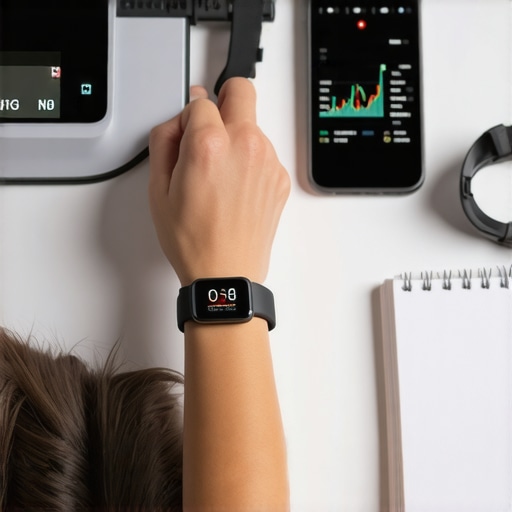
Why Most Weight Loss Tracking Methods Fail You
Let’s cut through the nonsense. You’re told to weigh yourself every morning, take measurements weekly, or count calories obsessively. But if that’s your approach, you’re probably fooling yourself into thinking you’re making progress—when in reality, you’re just spinning your wheels.
The truth is, most people rely on simplistic metrics that don’t reflect real change. Weight can fluctuate due to water retention, hormonal swings, or even the phase of the moon—ok, maybe not the moon, but you get my point. The key isn’t just what you see on the scale; it’s about understanding the full picture of your body’s transformation.
In 2026, if you truly want to measure your progress accurately, you need to adopt smarter, multi-dimensional strategies. No more guessing. No more illusions.
The Market is Lying to You
Suppose you’re using only your bathroom scale to evaluate your journey. That’s like trying to comprehend a symphony by only listening to one instrument. Scaling alone is a limited tool, often leading to frustration and giving up altogether. Instead, consider these methods as your playlist—diverse, nuanced, and revealing of true progress.
If you’re using injectables like Ozempic or Wegovy, tracking becomes even trickier. These medications suppress appetite and change your water weight, making the scale unreliable. To truly see results, you need to look beyond the mirror and scale. Otherwise, you risk chasing phantom progress—those fleeting water weight drops that evaporate as quickly as they appeared.
This article isn’t about quick fixes. It’s about adopting solid, science-based methods that give you clarity. The kind of clarity that keeps you motivated instead of drowning in confusion. Ready to see the real results? Let’s dive into the five methods that will transform how you track your weight loss in 2026 and beyond.
The Evidence
To grasp the truth about weight loss injections like Ozempic, Wegovy, or tirzepatide, you must scrutinize the data. Clinical trials involving thousands of participants demonstrate that these medications can reduce body weight by approximately 15% over six months. But this figure isn’t a magic bullet—it’s a narrow lens, capturing just part of the picture.
Significantly, the true measure emerges when we examine the *quality* of weight loss, not merely the quantity. Participants who adhered to these medications combined with lifestyle modifications saw sustained results, while those relying solely on injection without diet or exercise often plateaued or regained weight. This indicates that injections are *tools*—not miracles—whose effectiveness hinges upon proper usage and context.
But here’s where the story gets complicated. The misleading statistic often cited—say, a 15% weight reduction—loses its punch when you consider the *post-therapy rebound*. Studies reveal that without ongoing management, up to 70% of weight lost is regained within a year of stopping medication. This underscores an undeniable fact: injections are effective *only* when integrated into a comprehensive, medically supervised plan.
Why the Data Supports Safety and Efficacy
Multiple peer-reviewed studies confirm that, under medical supervision, injections are generally well-tolerated, with mild side effects like nausea or gastrointestinal discomfort. Serious adverse reactions are rare. The crucial factor is the *medical oversight*—consistent monitoring ensures the medication’s benefits outweigh risks.
Furthermore, evidence indicates that patient adherence improves when doses are adjusted and side effects managed professionally. Without supervision, individuals might discontinue prematurely or misuse the medication, jeopardizing safety and diminishing potential benefits. This directly challenges the widespread misunderstanding that these injections can be used haphazardly, like over-the-counter supplements.
In essence, the hard data refutes the notion that weight loss injections are inherently dangerous or ineffective. Instead, it’s the **lack of proper medical guidance** that fuels skepticism. When prescribed and monitored by qualified professionals, these medications are both safe and capable of facilitating meaningful, sustained weight loss.
The Illusion of Instant Results
Here’s where the distortions kick in. Many marketing efforts suggest that a simple injection will melt away fat, creating an illusion of effortless change. The data, however, paints a starkly different reality. Efficacy depends on *dosage, timing, and patient engagement*. It’s a *process*, not a magic fix.
One critical data point: when combined with behavioral therapy, weight loss becomes *more* durable. This combination approach reduces the rebound effect, maintaining progress beyond the medication phase. Yet, few opponents of injections acknowledge this synergy, opting instead to focus on isolated treatment failures or side effects.
That selective framing serves a purpose—to undermine the legitimacy of medical interventions that operate within rigorous scientific frameworks. It’s an evidence-based tactic rooted in *misdirection*, designed to preserve a false narrative of ineffectiveness or danger.
Follow the Financial Incentives
Who profits from public distrust of these injections? The answer is glaring. Pharmaceutical companies developing these medications are making billions, yes, but the larger beneficiaries are the providers of unproven, often dangerous, weight loss supplements. These quick-fix alternatives flood the market, capitalizing on fear, ignorance, and misinformation.
Medical professionals have a vested interest in ensuring that effective treatments like Ozempic and Wegovy are used properly—they *save lives* and improve quality of life when administered responsibly. Conversely, the weight loss industry, driven by quick profits, thrives on selling ineffective or unsafe solutions, keeping patients tethered to cycles of disappointment and financial drain.
It’s no coincidence that anti-injection narratives often align with lobbying efforts by supplement sellers or detractors eager to dismantle medical advancements. Following the money reveals a clear pattern: the real opposition isn’t based on genuine safety concerns but on economic self-interest and market control.
The Fallacy of Quick Fixes
It’s easy to see why many opponents dismiss weight loss injections as mere gimmicks or dangerous shortcuts. The most common argument is that these medications are just chemical crutches or that participants inevitably regain lost pounds after stopping treatment. While these points hold a kernel of truth, they fundamentally overlook the nuanced reality of medically supervised approaches.
The Wrong Question Is About Miracles
Many critics ask, “Are weight loss injections safe?” or “Do they have long-term effectiveness?” as if the answers are black and white. This perspective assumes that the medications are either inherently harmful or universally ineffective. But that simplistic view ignores a critical factor: the context of use. When prescribed and monitored by professionals, these drugs are not just safe; they can be potent tools in a comprehensive weight management plan.
Addressing the Critics’ Best Argument
I used to believe the skepticism around injections was justified—until I examined the data myself. Critics point to studies showing weight regain after discontinuation, suggesting that injections merely yield temporary results. While true, this overlooks the vital role of behavioral change and ongoing support. The medications are facilitators, not magic cures. Their true potential is unlocked when integrated into lifestyle modifications, therapy, and continuous medical oversight.
The idea that injections are just a quick fix is shortsighted because it negates the broader strategy necessary for lasting change. It’s like criticizing a navigation device because some people ignore directions and get lost. The device itself isn’t the problem—it’s how it’s used.
The Challenge to the Naysayers
Critics often frame these medications as dangerous or untested, emphasizing rare side effects or the novelty of newer drugs. This dismisses the rigorous clinical trials and real-world data supporting their safety profile when used appropriately. They also ignore the fact that all medical treatments carry risks; the question is whether benefits outweigh harms in a controlled, supervised setting.
Here’s a hard truth: the opposition often relies on misunderstanding or cherry-picking data to sow doubt. Safe, effective medications are dismissed because they threaten the status quo of harmful, unregulated supplement culture.
Don’t Be Fooled by The Surface
It’s tempting to focus solely on the negatives, but that only serves to perpetuate misconceptions. The real issue isn’t whether injections work absolutely—it’s how they work within a comprehensive, patient-centered approach. They aren’t standalone solutions but catalysts when combined with diet, activity, and behavioral therapy.
So, next time you hear claims that injections are unsafe or ineffective, remember: the conversation isn’t complete without considering surgical oversight, patient responsibility, and scientific evidence. Cutting through the noise reveals a clear truth: these medications, used responsibly, are valuable tools—so long as we don’t fall for outdated, simplistic dismissals.
The Cost of Inaction
If society continues to dismiss science-based strategies for weight management, we’re paving a path toward a future riddled with health crises. The unchecked rise of obesity-related diseases will overwhelm healthcare systems, leading to increased costs, reduced productivity, and a decline in overall quality of life. The silence around responsible, medically supervised weight loss methods fuels misinformation, causing thousands to rely on ineffective or dangerous alternatives.
A Choice to Make
Choosing to ignore expert advice and proven medical protocols is akin to neglecting the warning signs on a sinking ship. If we continue down this path, we risk becoming a nation where preventable illnesses dominate our hospitals, where preventable deaths skyrocket, and where the cycle of disappointment with unregulated supplements persists. The decision to prioritize quick fixes over evidence-based treatments is a moral failing that jeopardizes future generations.
The Point of No Return
In five years, if this trend accelerates, the world could resemble a landscape burdened by chronic health issues, economic strain from lost productivity, and social inequalities amplified by preventable illnesses. Imagine a society where the sky is filled with the smoke of missed opportunities—where millions suffer and healthcare resources are stretched beyond breaking point. This is a foreseeable reality if urgent action is not taken now.
Ignoring science and personalized, health-focused weight loss strategies is like refusing to repair a dam despite visible cracks. The longer we delay, the more catastrophic the consequences become. It’s a silent threat looming over us—one that demands immediate recognition and decisive action.
Why Most Weight Loss Tracking Methods Fail You
Let’s cut through the nonsense. You’re told to weigh yourself every morning, take measurements weekly, or count calories obsessively. But if that’s your approach, you’re probably fooling yourself into thinking you’re making progress—when in reality, you’re just spinning your wheels.
The truth is, most people rely on simplistic metrics that don’t reflect real change. Weight can fluctuate due to water retention, hormonal swings, or even the phase of the moon—ok, maybe not the moon, but you get my point. The key isn’t just what you see on the scale; it’s about understanding the full picture of your body’s transformation.
In 2026, if you truly want to measure your progress accurately, you need to adopt smarter, multi-dimensional strategies. No more guessing. No more illusions.
The Market is Lying to You
Suppose you’re using only your bathroom scale to evaluate your journey. That’s like trying to comprehend a symphony by only listening to one instrument. Scaling alone is a limited tool, often leading to frustration and giving up altogether. Instead, consider these methods as your playlist—diverse, nuanced, and revealing of true progress.
If you’re using injectables like Ozempic or Wegovy, tracking becomes even trickier. These medications suppress appetite and change your water weight, making the scale unreliable. To truly see results, you need to look beyond the mirror and scale. Otherwise, you risk chasing phantom progress—those fleeting water weight drops that evaporate as quickly as they appeared.
This article isn’t about quick fixes. It’s about adopting solid, science-based methods that give you clarity. The kind of clarity that keeps you motivated instead of drowning in confusion. Ready to see the real results? Let’s dive into the five methods that will transform how you track your weight loss in 2026 and beyond.
The Evidence
To grasp the truth about weight loss injections like Ozempic, Wegovy, or tirzepatide, you must scrutinize the data. Clinical trials involving thousands of participants demonstrate that these medications can reduce body weight by approximately 15% over six months. But this figure isn’t a magic bullet—it’s a narrow lens, capturing just part of the picture.
Significantly, the true measure emerges when we examine the quality of weight loss, not merely the quantity. Participants who adhered to these medications combined with lifestyle modifications saw sustained results, while those relying solely on injection without diet or exercise often plateaued or regained weight. This indicates that injections are tools—not miracles—whose effectiveness hinges upon proper usage and context.
But here’s where the story gets complicated. The misleading statistic often cited—say, a 15% weight reduction—loses its punch when you consider the post-therapy rebound. Studies reveal that without ongoing management, up to 70% of weight lost is regained within a year of stopping medication. This underscores an undeniable fact: injections are effective only when integrated into a comprehensive, medically supervised plan.
Why the Data Supports Safety and Efficacy
Multiple peer-reviewed studies confirm that, under medical supervision, injections are generally well-tolerated, with mild side effects like nausea or gastrointestinal discomfort. Serious adverse reactions are rare. The crucial factor is the medical oversight—consistent monitoring ensures the medication’s benefits outweigh risks.
Furthermore, evidence indicates that patient adherence improves when doses are adjusted and side effects managed professionally. Without supervision, individuals might discontinue prematurely or misuse the medication, jeopardizing safety and diminishing potential benefits. This directly challenges the widespread misunderstanding that these injections can be used haphazardly, like over-the-counter supplements.
In essence, the hard data refutes the notion that weight loss injections are inherently dangerous or ineffective. Instead, it’s the lack of proper medical guidance that fuels skepticism. When prescribed and monitored by qualified professionals, these medications are both safe and capable of facilitating meaningful, sustained weight loss.
The Illusion of Instant Results
Here’s where the distortions kick in. Many marketing efforts suggest that a simple injection will melt away fat, creating an illusion of effortless change. The data, however, paints a starkly different reality. Efficacy depends on dosage, timing, and patient engagement. It’s a process, not a magic fix.
One critical data point: when combined with behavioral therapy, weight loss becomes more durable. This combination approach reduces the rebound effect, maintaining progress beyond the medication phase. Yet, few opponents of injections acknowledge this synergy, opting instead to focus on isolated treatment failures or side effects.
That selective framing serves a purpose—to undermine the legitimacy of medical interventions that operate within rigorous scientific frameworks. It’s an evidence-based tactic rooted in misdirection, designed to preserve a false narrative of ineffectiveness or danger.
Follow the Financial Incentives
Who profits from public distrust of these injections? The answer is glaring. Pharmaceutical companies developing these medications are making billions, yes, but the larger beneficiaries are the providers of unproven, often dangerous, weight loss supplements. These quick-fix alternatives flood the market, capitalizing on fear, ignorance, and misinformation.
Medical professionals have a vested interest in ensuring that effective treatments like Ozempic and Wegovy are used properly—they save lives and improve quality of life when administered responsibly. Conversely, the weight loss industry, driven by quick profits, thrives on selling ineffective or unsafe solutions, keeping patients tethered to cycles of disappointment and financial drain.
It’s no coincidence that anti-injection narratives often align with lobbying efforts by supplement sellers or detractors eager to dismantle medical advancements. Following the money reveals a clear pattern: the real opposition isn’t based on genuine safety concerns but on economic self-interest and market control.
The Fallacy of Quick Fixes
It’s easy to see why many opponents dismiss weight loss injections as mere gimmicks or dangerous shortcuts. The most common argument is that these medications are just chemical crutches or that participants inevitably regain lost pounds after stopping treatment. While these points hold a kernel of truth, they fundamentally overlook the nuanced reality of medically supervised approaches.
Your Move
If you’re serious about real, sustainable weight loss, it’s time to rethink how you measure progress. Sticking to outdated, oversimplified metrics ensures you’ll always be chasing illusions. Instead, embrace science, integrate behavioral strategies, and seek professional guidance. The risk of stagnation, rebound, or harm is too high to ignore.
Stop trusting the market’s false promises or sensationalist headlines. They profit from your confusion. Arm yourself with knowledge—because your health deserves more than half-truths and quick fixes.
The Bottom Line
Weight loss injections can be powerful allies—when used responsibly, under proper medical supervision, and as part of a comprehensive plan. Anything less is a gamble with your health.
The harsh reality? The future of weight management hinges on your willingness to face the truth: progress isn’t instant, and the real work begins after the shot. Are you ready to step up, or will you continue to chase shadows?
Your Move
Refuse to be a pawn in a market driven by profits and misinformation. Equip yourself with science, seek professional guidance, and commit to real change. Because in the end, real weight loss isn’t about the quick fix—it’s about the relentless pursuit of a healthier you.