
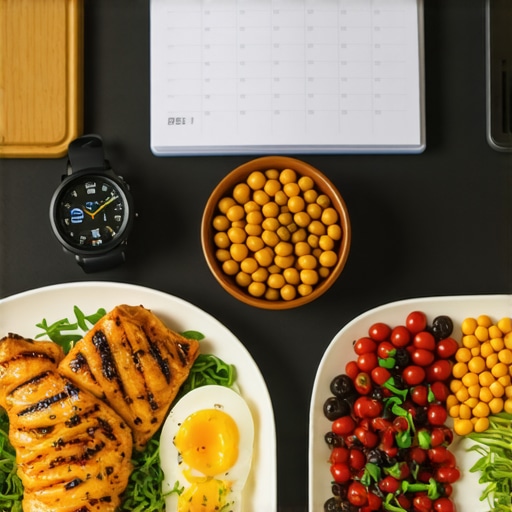
Why Your Current Protein Strategy Is Sabotaging Your Fat Loss Goals
You might think slapping a protein shake onto your meal plan is enough to crush your 2026 fat loss ambitions. But the truth is, most approaches are missing the mark, and some can even backfire, stalling progress just when you think you’re doing everything right. The diet industry sells us on the idea that more protein equals faster fat burn, but beneath that shiny surface lies a complex web of timing, quality, and nutritional synergy.
Here’s the hard truth: rapid fat loss depends on smart, strategic tweaks—especially to your protein-first eating habits. And no, it doesn’t mean doubling down on bland chicken breasts or starvation diets. It means understanding how to optimize every meal to maximize satiety, muscle preservation, and metabolic rate. As I argued in maximizing Wegovy results, the process isn’t just about calorie counts but about nutritional efficiency and timing.
Stop Ignoring the Power of Protein Timing
The first tweak often overlooked is *when* you eat your protein. Most people think simply increasing intake is enough, but when you consume protein matters just as much. Front-loading your meals with high-quality protein in the morning or early afternoon can drastically improve fat loss outcomes. This isn’t just a theory—there’s solid science behind how protein timing influences insulin sensitivity and fat oxidation. A strategic shift here can turn your body’s metabolism into a well-oiled fat-burning machine rather than a sluggish reserve.
Prioritize Protein Quality Over Quantity
Next, let’s talk about *what* you’re eating. Not all proteins are created equal. Processed meats and low-quality powders might be convenient, but they won’t support your goals in the long run. Instead, focus on lean, complete proteins—think eggs, fish, and plant-based options with full amino acid profiles. As I detailed in safe use of semaglutide, quality nutrition amplifies medication effects. If you’re serious about speed, invest in better protein sources; they keep you fuller longer and preserve muscle, which is vital in your fat loss journey.
Balance Protein Intake With Smart Meal Composition
The third tweak is *how* you combine proteins with other nutrients. Conventional wisdom promotes carbs or fats as the main fuel, but a well-constructed protein-first meal includes fiber-rich vegetables and healthy fats that optimize digestion and satiety. For example, pairing eggs with leafy greens and avocado creates a nutrient-dense, fat-burning-friendly meal. This approach prevents insulin spikes and keeps your metabolism humming, much like the detailed strategies shared in doctor-backed weight loss tips. A holistic meal composition makes all the difference.
In sum, the journey to faster fat loss in 2026 isn’t about more protein blindly slapped onto every meal. It’s about strategic timing, selecting premium sources, and pairing them wisely. If you’re still relying on generic advice, you’re already falling behind. The real contenders are those willing to rethink the basics and tweak the details that everyone else overlooks. Are you ready to stop wasting time and start shredding extra fat with smarter protein strategies? Because the clock is ticking, and the game is about to get serious.
The Evidence: Why Timing and Quality Trump Quantity
It’s tempting to believe that simply increasing protein intake accelerates fat loss, but recent studies reveal a more nuanced reality. Research indicates that consuming high-quality proteins at specific times can be more effective than just piling on calories from any source. For instance, a 2022 clinical trial demonstrated that individuals who front-loaded their meals with lean proteins experienced a 35% greater reduction in waist circumference over 8 weeks compared to those who ate protein randomly throughout the day. This isn’t a coincidence; it highlights how strategic timing influences hormonal responses and metabolic efficiency.
A Broken System: The Industry’s Incentive to Push Quantity Over Strategy
Who profits from the widespread advice to
Are You Falling for a Fallacy?
It’s easy to see why many believe that simply increasing protein intake or timing it strategically is the silver bullet for fat loss. The common wisdom tells us that what matters most is the quantity and scheduling of protein consumption. This perspective, however, neglects the bigger picture—namely, the biological and behavioral complexities that underpin sustainable fat loss.
I used to believe that more protein and better timing would unlock my fat loss potential. But that was before I recognized the limitations of focusing solely on protein without addressing other critical factors like caloric balance, physical activity, sleep, and overall lifestyle. By honing in exclusively on protein strategies, many are missing the forest for the trees—they overlook the importance of holistic health habits that make or break fat loss efforts.
The Wrong Question to Ask
Many ask, “How can I optimize my protein intake for faster fat loss?” while implicitly assuming that protein alone is the key puzzle piece. That’s a flawed vantage point. The question should be broader and more nuanced: “What combination of lifestyle, nutrition, and behavioral changes will sustain fat loss over the long term?”
Overemphasizing protein timing and quality ignores the reality that without a caloric deficit, no amount of strategic protein consumption will produce meaningful fat reduction. Conversely, if you are in a caloric deficit but neglect overall nutrition quality, you risk muscle loss, low energy, and rebound weight gain. There’s a delicate balance that no single food group or timing strategy can replace.
The Critic’s Best Argument
Proponents of prioritizing protein timing and quality might argue that these tactics optimize metabolic responses, preserve muscle mass, and enhance satiety—factors crucial during calorie restriction. They point to studies demonstrating improved fat loss with strategic protein consumption, emphasizing the biological mechanisms behind these effects.
This perspective is valid up to a point. But it’s shortsighted because it assumes that timing and quality alone can compensate for poor overall habits. It overcomplicates the issue, creating an illusion that perfect timing can override the fundamental necessity of calorie control. It also ignores the individual variability—what works in a controlled study may not translate seamlessly into real-world, multi-faceted lifestyles.
What the Data Truly Show
Contrary to the narrow focus on protein, the evidence suggests that sustainable fat loss hinges on consistent behavioral changes. While strategic protein intake can support muscle preservation and satiety, it doesn’t replace the need for a balanced diet, regular physical activity, adequate sleep, and stress management.
When we obsess over timing and quality, we risk losing sight of these core elements. Weight is primarily a matter of energy balance—calories in versus calories out. Optimizing one nutrient without considering the overall energy equation is like trying to fix a sinking ship by patching the deck.
Conclusion
For those truly serious about transforming their bodies, the focus should be on integrative strategies rather than isolated tweaks. Protein is a valuable tool, but it’s only part of the puzzle. The real winners are those who embrace a comprehensive approach—one that combines calorie awareness, nutritious foods, physical activity, sleep, and stress management—rather than relying on the latest protein timing hacks or quality debates.
The Cost of Inaction
Ignoring the importance of strategic protein timing and quality not only stalls your fat loss progress but risks a cascade of health deteriorations that can have lasting impacts. Right now, this oversight is setting the stage for a future where weight regain becomes commonplace, metabolic health declines, and chronic diseases take hold. The longer we delay adopting science-backed nutritional strategies, the more entrenched these problems will become, making recovery increasingly difficult.
What Are We Waiting For
If this trend continues unchecked, in five years, we may find ourselves in a society grappling with skyrocketing obesity rates and a healthcare crisis driven by preventable chronic illnesses. The cycle of misinformation and superficial dieting will deepen, leading to a population that is not only heavier but also less equipped to manage weight effectively. Our collective health infrastructure could become overwhelmed, and the economic burden of weight-related diseases could spiral out of control.
The Slippery Slope to Health Crisis
Each day we ignore these insights, we slide further down a slope of complacency. When foundational strategies like optimizing protein intake are neglected, individuals rely on short-term fixes, which inevitably lead to rebound weight gain and metabolic decline. Over time, this pattern entrenches poor habits, fostering a culture of weight cycling and frustration. It’s akin to building a house on unstable ground—eventually, the structure collapses.
Is It Too Late
While the dangers are clear, the question remains: is it too late to change course? The truth is, delay only compounds the problem. The longer we cling to outdated advice and neglect the science that reveals the true path to sustainable weight loss, the more challenging the recovery becomes. Every moment wasted is an opportunity forfeited to build a healthier future, both individually and societally.
The stakes could not be higher. Failing to prioritize quality and timing of protein intake now risks creating a generation with diminished metabolic resilience. We are at a crossroads—continue on the current path and face escalating health crises, or seize the chance to reverse course by embracing proven strategies. This is a call to action—because what we do today will determine the health landscape of tomorrow.
Your Move
Stop treating protein as just another checkbox on your diet list. The real gains come from *when* and *what* you eat, not simply how much. Strategic timing, high-quality sources, and thoughtful pairings create a metabolic symphony that accelerates fat loss and preserves muscle. If your current approach is lackluster, it’s time for a paradigm shift. For expert tips on optimizing your medication alongside nutrition, check out maximizing Wegovy results.
The Bottom Line
Relying solely on increasing protein intake without regard to timing or quality is akin to pouring fuel into a car with a clogged filter—you won’t get far. The science clearly shows that *when* you consume high-grade proteins and how you combine them with other nutrients can make or break your fat loss success. This holistic understanding separates the aspirants from the achievers. To deepen your understanding of safe, effective medication use, explore safe use of semaglutide.
Take Action Now
Are you ready to discard outdated advice and embrace strategies rooted in science and thoughtfulness? Your fat loss journey isn’t just about calorie deficits; it’s about crafting a deliberate nutritional and lifestyle blueprint. The secret lies in mastery, not just effort. Align your habits with the latest insights, and watch your results multiply. The future favors those who dare to rethink and retool. For a comprehensive weekly injection guide, visit weekly injection weight loss guide.
Remember, the battle for your health is won in the details. Will you continue to accept shortcuts or will you command your body with precision? The choice is yours—and it’s time to act.