
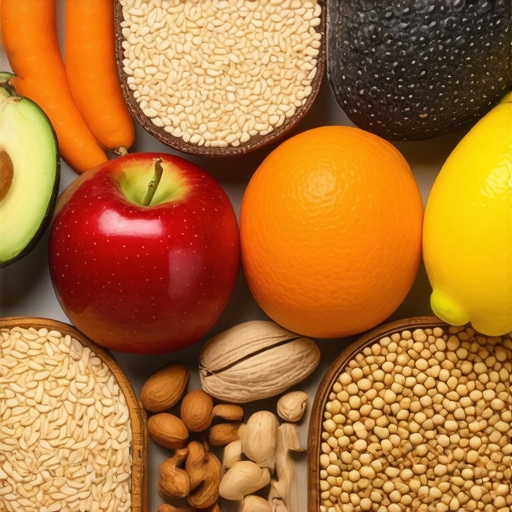
The Fiber Myth Debunked
Many believe that simply adding a handful of oats or some berries to their diet is enough for optimal fiber intake, especially when on GLP-1 medications. Meanwhile, the industry keeps pushing generic recommendations that lag years behind the real science. Are we honestly still relying on old-school advice when better options are available? The truth is, the standard fiber sources of yesterday no longer cut it for the patients of tomorrow.
I argue that in 2026, the real game-changing approach involves understanding which fiber sources genuinely support weight loss, gut health, and medication efficacy. You might think all fibers are created equal, but you’re wrong. The difference between a half-hearted snack and a carefully selected high-fiber powerhouse can determine whether your journey with GLP-1 meds stalls or accelerates. So, let’s cut through the fluff and get honest about what truly matters.
Why This Fails
Most diets rely on the same tired sources—bran cereals, fruits, and vegetables. While these are not harmful, they are often insufficient in volume or quality for the needs of a 2026 GLP-1 patient. Relying solely on these can lead to bloating, discomfort, and even setbacks in your metabolic goals. The market is flooded with products claiming to be fiber-rich, but many lack the critical soluble fibers that aid appetite control and nutrient absorption. The large-scale marketing is designed to distract, not to deliver results.
Furthermore, the typical overuse of processed fiber supplements can do more harm than good, especially when they lack the diversity needed for gut microbiome health. You need sources that support more than mere digestion; they should help modulate insulin sensitivity, prevent bloating, and support your medication’s optimal performance. This isn’t about old advice; it’s about using the right fiber sources as a strategic advantage.
The Hard Truth About Fiber Sources
Some options are so underestimated that ignoring them is a strategic mistake. For instance, resistant starches found in cooled potatoes, green bananas, or specially prepared legumes can dramatically improve gut health and satiety. Psyllium husk remains popular, but it’s only a piece of the puzzle. In 2026, your choice of fiber should be deliberate, targeted, and tailored to support your specific weight loss regime.
For those serious about maximizing their GLP-1 experience, integrating diverse sources like chia seeds, flaxseed, and fermented foods can make a real difference. These not only supply beneficial fibers but also promote microbiome diversity, which is increasingly linked to weight management success. As I argued in my previous piece on fixing metabolic stalls, supporting your microbiome is the secret weapon most overlook.
Aligning Your Diet with Science
In 2026, the savvy patient understands that fiber is not just an accessory but a core pillar of their regimen. It determines how well your body responds to GLP-1 therapies and whether you can sustain your weight loss long-term. Don’t fall for marketing tricks—do your research, prioritize high-quality, diverse fiber sources, and consult with your clinician to tailor your intake. The future of weight loss belongs to those who understand that fiber isn’t a one-size-fits-all commodity but a nuanced tool in their arsenal.
The Evidence Behind Fiber Choices
Research shows that not all fibers are created equal, especially when it comes to weight management and medication efficacy. For instance, resistant starches—found in cooled potatoes, green bananas, and some legumes—have been shown to improve gut microbiota diversity and promote satiety. These aren’t your average fiber sources; they actively support insulin sensitivity and digestion, critical factors for GLP-1 treatments. Large-scale studies indicate that diversifying fiber intake enhances the microbiome’s resilience, directly correlating with better metabolic outcomes.
A Broken System: Marketing vs. Reality
The industry’s fixation on generic fiber supplements and cereal-based fibers is a classic case of misdirected priorities. These products are often stripped of the beneficial soluble fibers that influence appetite hormones. Meanwhile, processed fiber supplements often lack the microbiome-supporting diversity necessary for sustained weight loss. The marketing machine pushes quick fixes, but the scientific evidence underscores a different narrative—one where targeted, diverse fiber sources are indispensable.
The Why of Resistant Starches
Some fiber options—like resistant starches—are underestimated yet vital. When potatoes are cooled or legumes are properly prepared, they contain higher levels of resistant starch. This fiber resists digestion, reaching the colon intact, where it ferments and nurtures beneficial bacteria. Such fermentation produces short-chain fatty acids, which regulate appetite and insulin sensitivity. Ignoring these sources is a strategic mistake that can stall or even reverse progress, especially for patients on GLP-1 medications aiming for maximum efficacy.
The Misleading Allure of Psyllium and Processed Supplements
Psyllium husk remains popular, yet it represents only a fragment of the potential fibers one should incorporate. Processed fiber supplements often prioritize volume over quality and diversity, resulting in a narrow effect that fails to support microbiome health. This approach isn’t just inadequate—it’s potentially harmful. Without microbiome diversity, the body’s ability to adapt to metabolic challenges diminishes, making weight loss a static battle rather than a dynamic process. The evidence is clear: superior results demand superior sources.
The Critical Role of Microbiome Diversity
The link between microbiome diversity and weight management is not a fringe theory—it’s a fundamental principle supported by overwhelming data. Fermented foods, chia seeds, flaxseeds, and prebiotic fibers actively promote this diversity. When the microbiota thrives, so does the body’s capacity to respond to weight loss therapies, such as GLP-1 medications. Without this, efforts become mere shooting in the dark. It’s not about adding fiber; it’s about choosing the right fiber, in the right amounts, for the right purpose.
Why This Matters in 2026
The landscape of weight management is shifting fast, and misinformation persists because vested interests benefit from the status quo. The profit-driven push for transient solutions masks the deeper, science-backed approach—diverse, targeted fiber sources that support both gut health and medication response. Who benefits from this neglect? Pharmaceutical companies aiming for sales of pills, supplement giants pushing generic products, and an industry reluctant to endorse complex dietary changes. They profit from keeping you in the dark about what truly works.
The Trap of Oversimplification
It’s easy to see why many believe that adding a handful of oats or a sprinkle of berries suffices for fiber intake during injectable weight loss treatments. This simplistic view is rooted in decades of outdated dietary advice, which suggested that a few fruit servings were enough to support gut health and satiety. As a result, countless patients rely on these minimal sources, thinking they’re doing their part for optimal results.
However, this approach overlooks the nuance and complexity necessary for modern, science-backed weight management strategies. The real challenge lies in understanding that not all fibers are created equal, and their distinct properties can significantly influence the effectiveness of GLP-1 medications like semaglutide or Ozempic. Relying solely on conventional sources like fruits or processed supplements is a strategic mistake that can undermine your health outcomes.
The Right Question Is What Fiber Supports Maximal Pharmacological Synergy
Many assume that simply supplementing with fiber is enough when using injections for weight loss. They ask,
The Cost of Inaction
Ignoring the science-backed insights about diverse, targeted fiber sources in weight loss strategies is akin to building a house without a solid foundation. When patients and clinicians dismiss the importance of high-quality fibers like resistant starches or fermented foods, they set themselves up for a cascade of failures. Bloating, stalled weight loss, gut dysbiosis, and diminished medication efficacy become the norm rather than the exception. This oversight isn’t a minor detail; it’s the difference between sustained success and costly relapse.
If this ignorance persists, the health landscape in the next five years will look bleak. More individuals will face metabolic stagnation, despite using GLP-1 medications or other injectables. Healthcare systems will see rising cases of gut-related disorders, insulin resistance, and associated chronic illnesses. Pharmaceutical and supplement industries will continue to profit from superficial solutions, while the root issues remain unaddressed. Patients will become increasingly disillusioned, believing that medications alone can resolve complex metabolic challenges without dietary support.
The real danger is the erosion of trust in comprehensive, science-informed approaches. When weight loss stalls because of neglecting fiber diversity, patients may turn to fad diets or unproven supplements, further complicating their health. This cycle of frustration hampers genuine progress and deepens health disparities. The stakes are high—delayed action today guarantees more suffering and higher healthcare costs tomorrow.
A Choice to Make
It’s time to recognize that the current trajectory is unsustainable. The industry’s reliance on outdated fiber sources and the oversimplification of gut health threaten to undermine years of progress in metabolic medicine. If clinicians, patients, and policymakers do not prioritize education about targeted, microbiome-supporting fibers, we risk leaving the most vulnerable behind. Reforming dietary strategies around science isn’t just a recommendation; it’s a moral imperative to foster equitable, sustainable health outcomes for all.
This is a call for decisive action—integrate diverse fiber sources into weight management protocols, educate for informed choices, and challenge the status quo. We cannot afford complacency when the future health of millions hangs in the balance. The failure to act now means accepting a future marred by preventable chronic diseases, suffering, and economic burden.
What are we waiting for?
Imagine standing at a crossroads, with one path leading to a healthier future informed by science, and the other descending into chaos and misery. The decision is ours. Delay equates to ignoring the building storm—just as ignoring crucial maintenance leads to eventual collapse, neglecting microbiome-focused fiber strategies will ultimately cost us dearly.
This is not merely about individual wellness; it’s about redefining a healthcare paradigm that values preventative, targeted nutrition. The longer we delay, the more entrenched misinformation becomes, making recovery harder and more expensive. The window of opportunity is closing—what’s the point of waiting when countless lives depend on our immediate, informed action? The future is unwritten, but history will judge us by whether we dared to change or succumbed to complacency.
Your Move
It’s time to stop being seduced by outdated advice and industry hype. The real game-changer lies in your ability to choose targeted, microbiome-supporting fiber sources that unlock the full potential of physician-guided fat loss injections. This isn’t just about adding a spoonful of oats—it’s about strategic nutrition that amplifies your medication’s efficacy and sustains your progress. Are you prepared to leave behind the fluff and embrace a science-backed approach?
The Bottom Line
In 2026, the key to lasting weight loss isn’t merely the meds—it’s how you integrate innovative fiber strategies that bolster gut health, improve insulin sensitivity, and maximize pharmacological synergy. Diversify your fiber intake with resistant starches in cooled potatoes and legumes, and support your microbiome with fermented foods and chia seeds. This is not optional; it’s essential. Your health outcomes depend on making deliberate, informed choices that challenge the status quo. For more insights, visit this resource and start transforming your approach today.